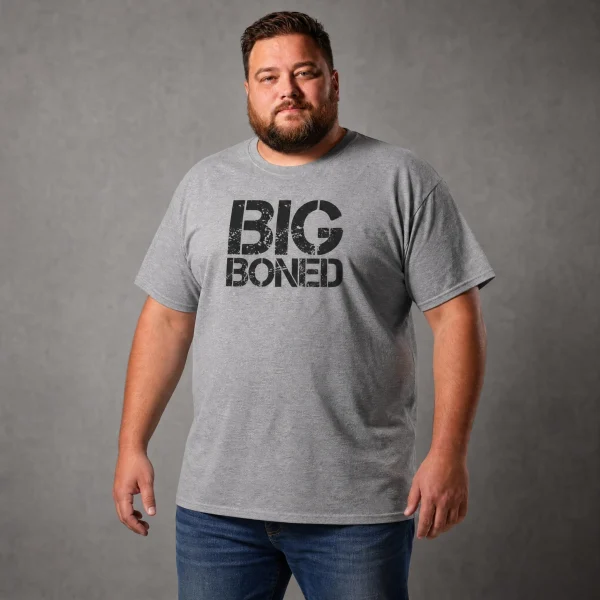
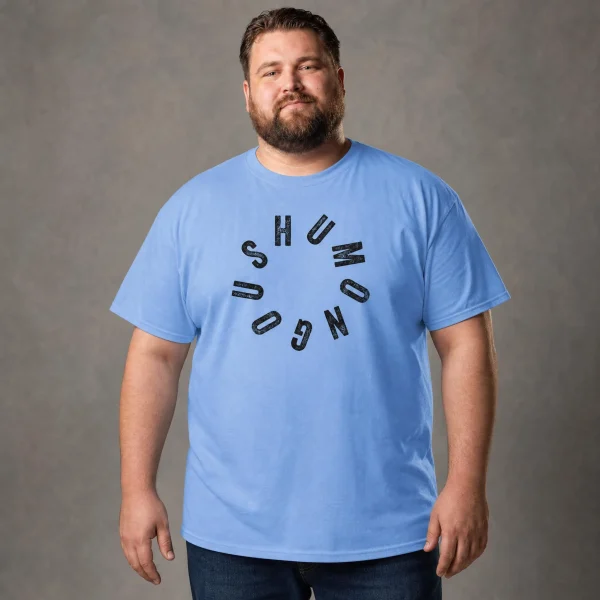
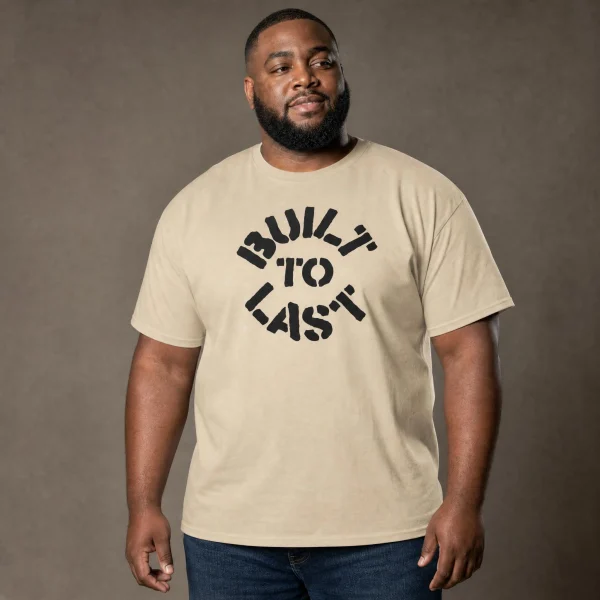
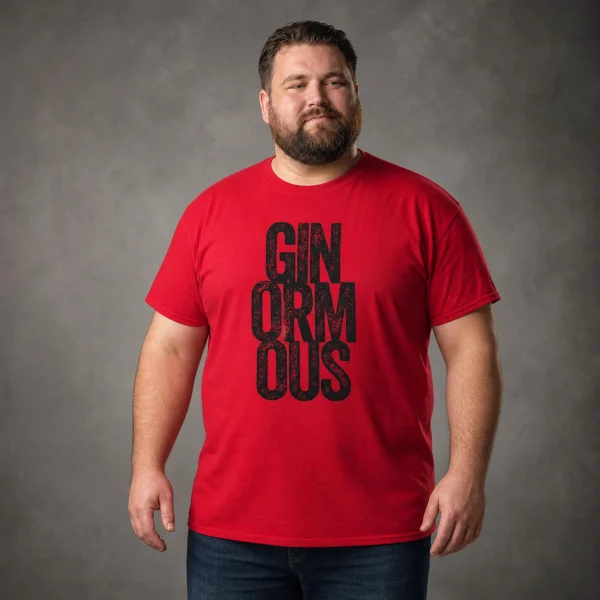
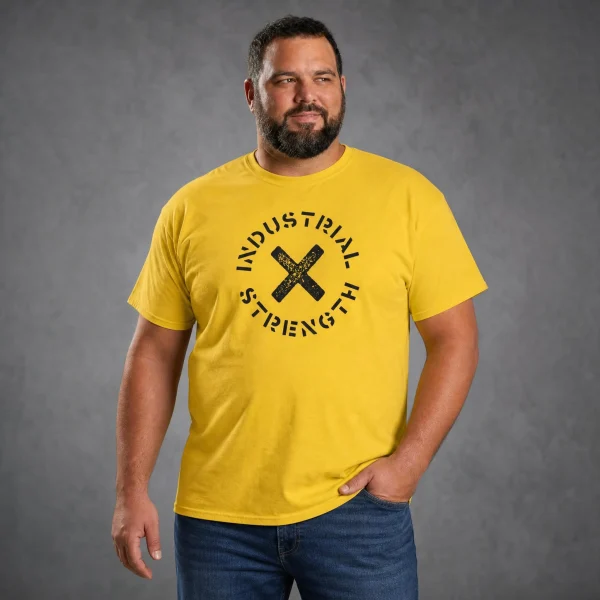
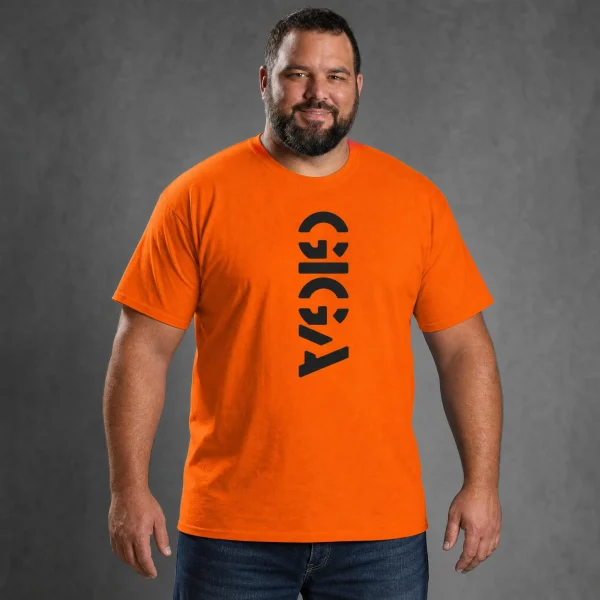
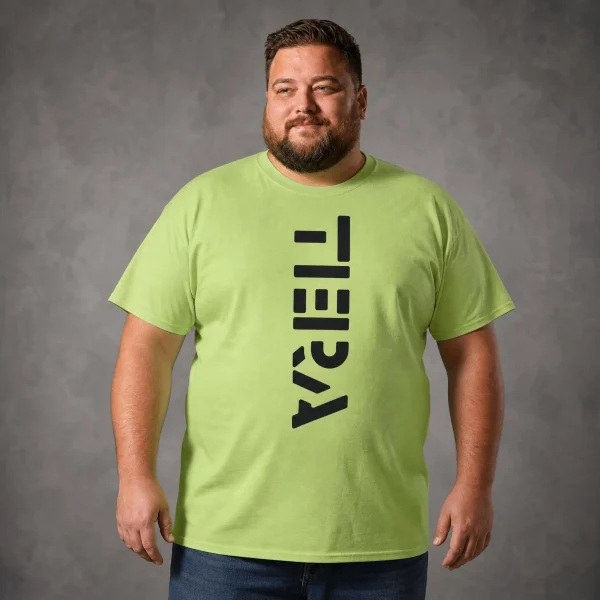
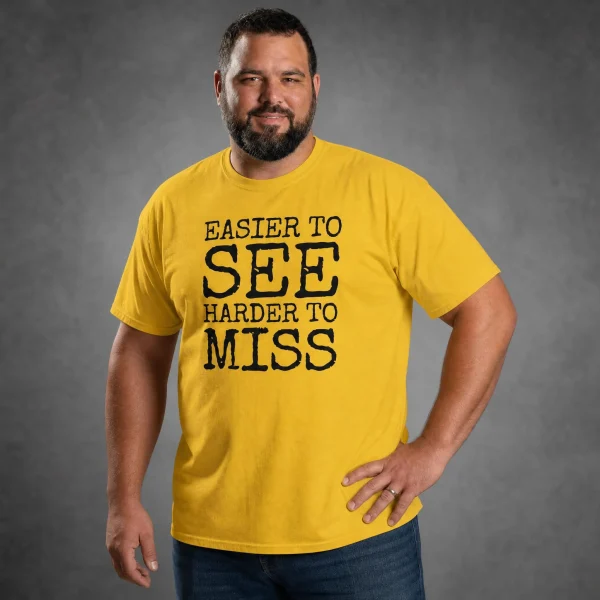
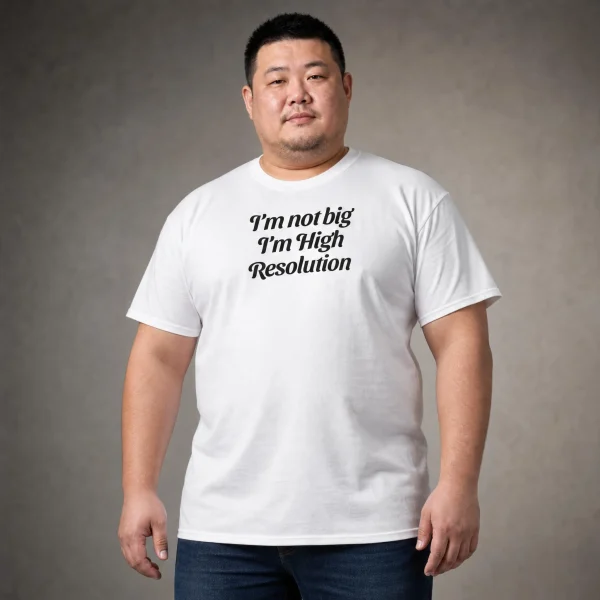
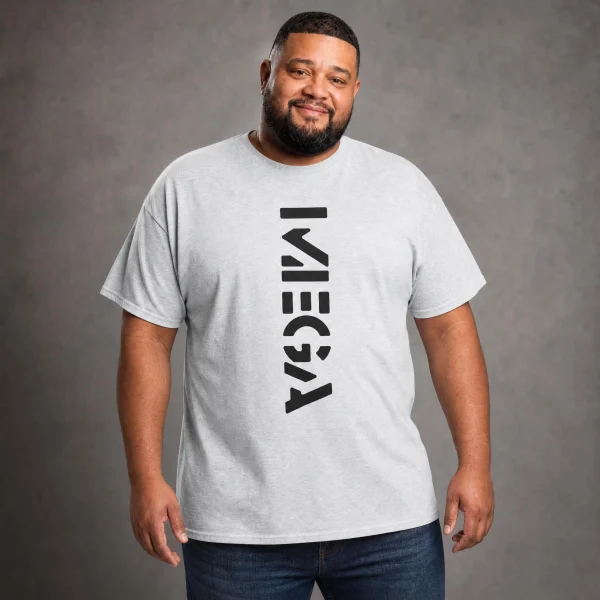
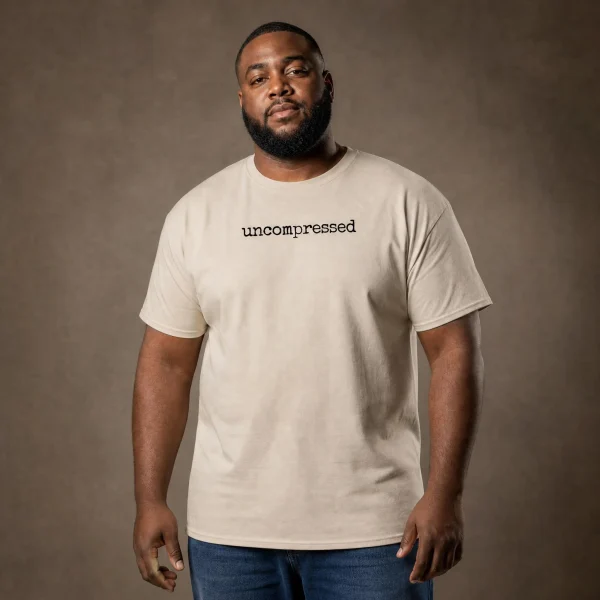
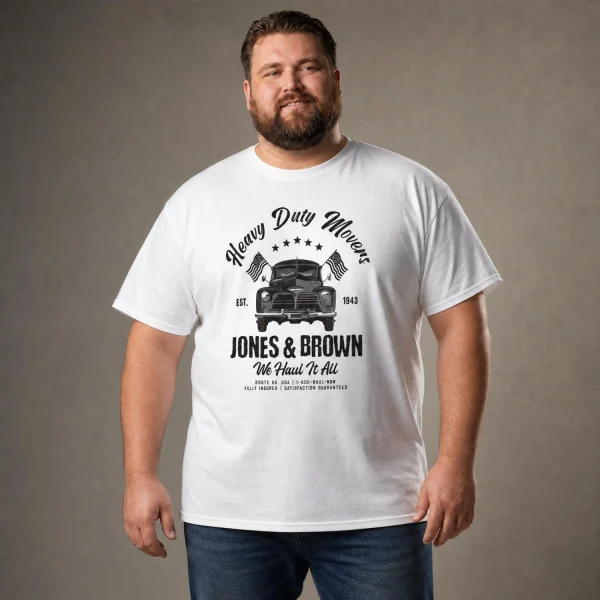
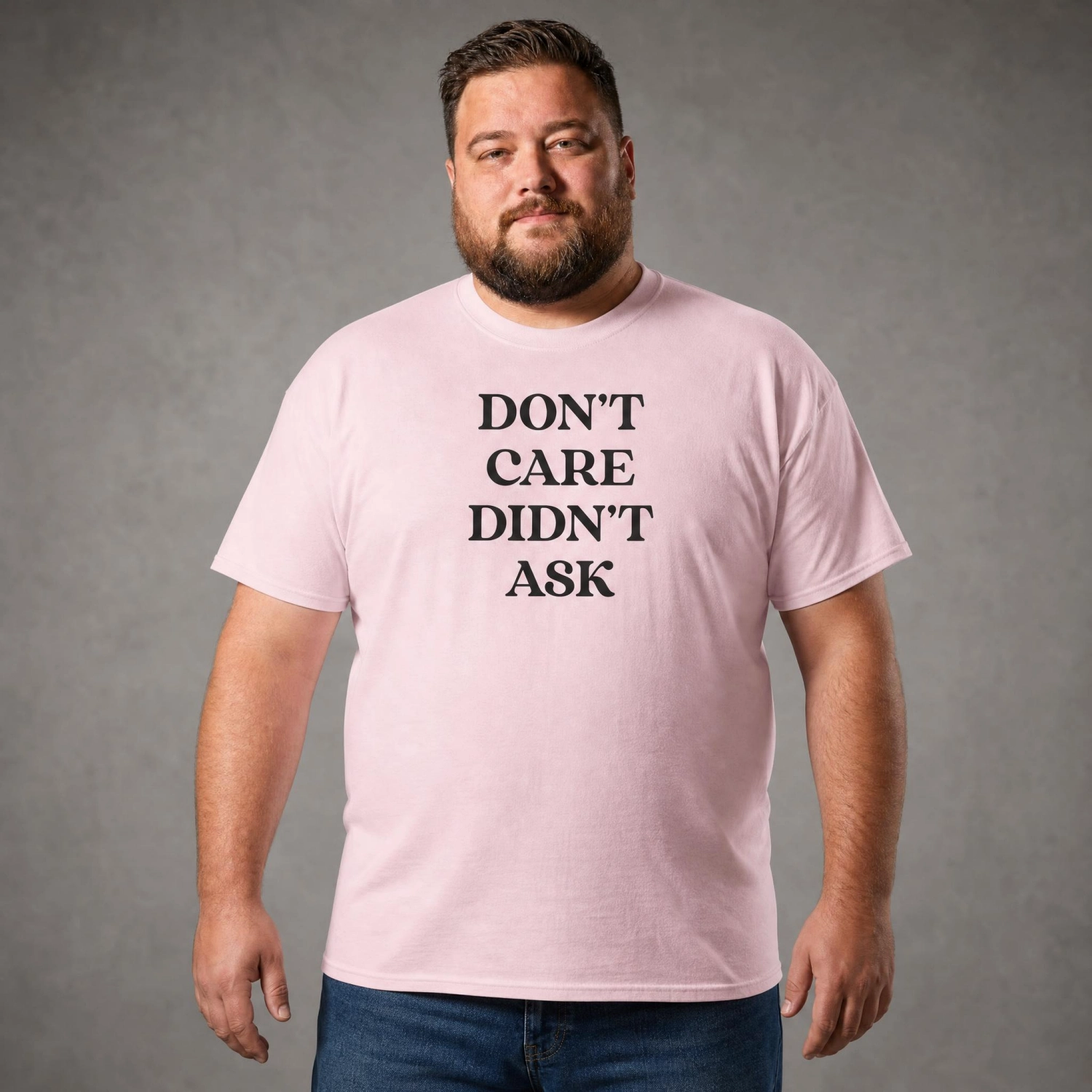
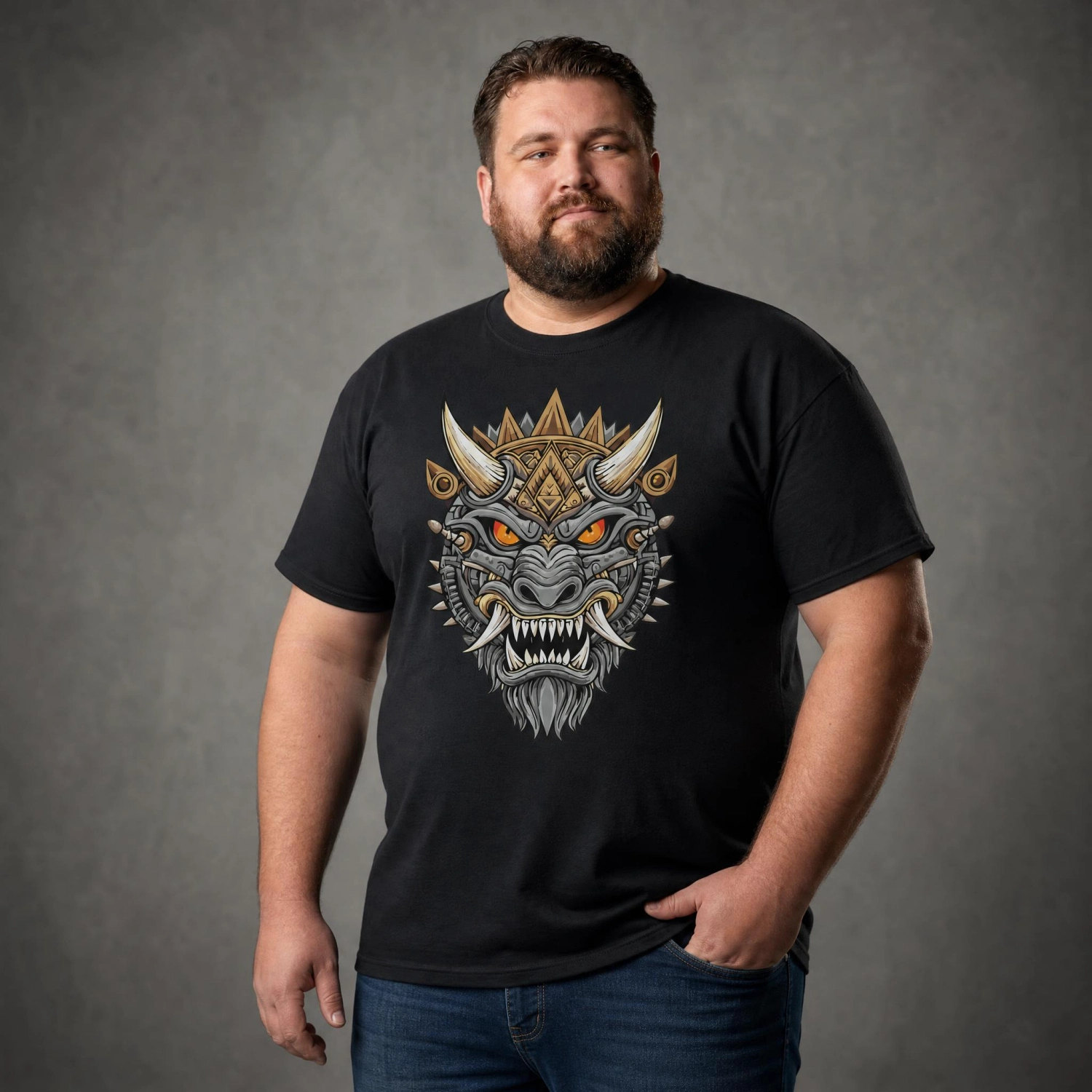
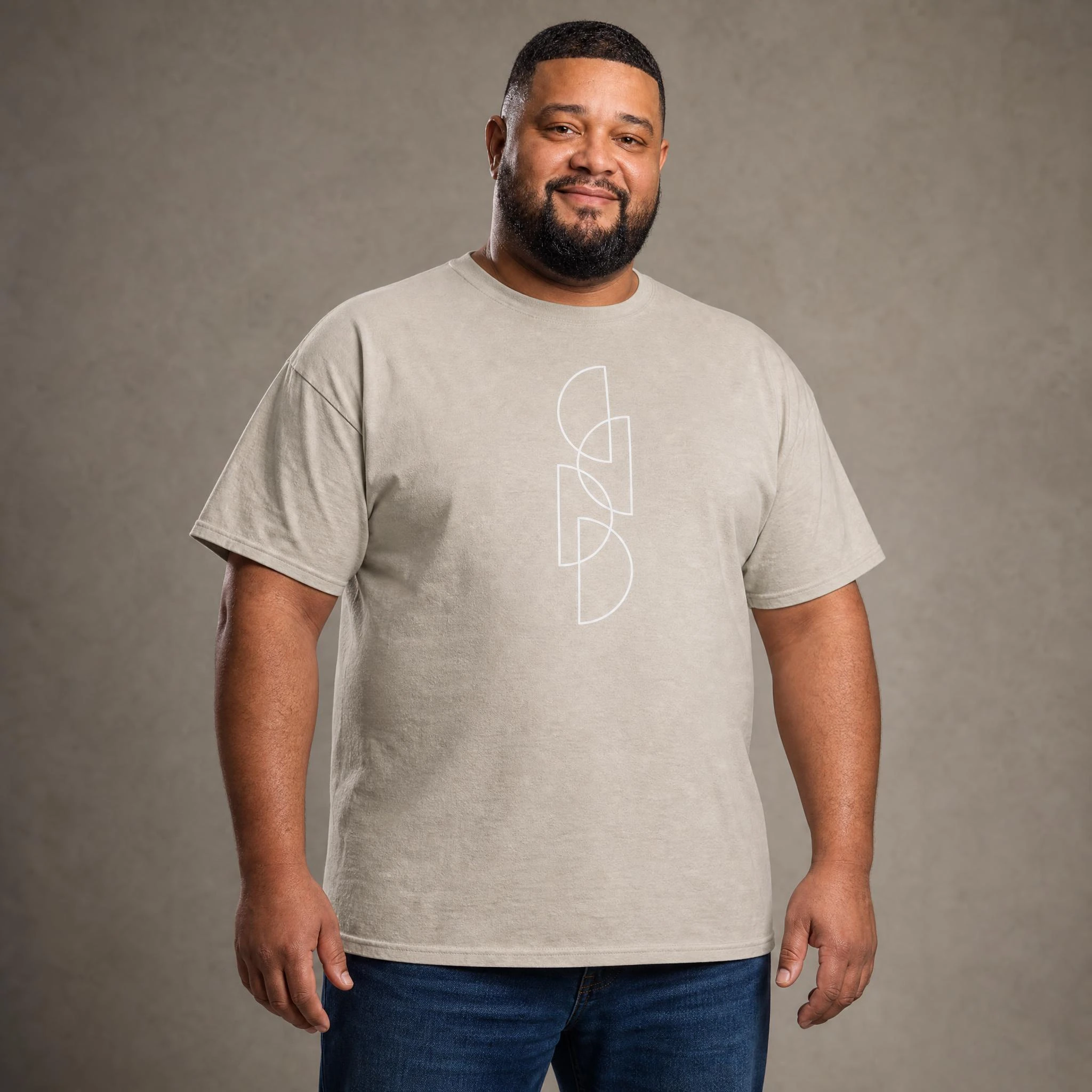
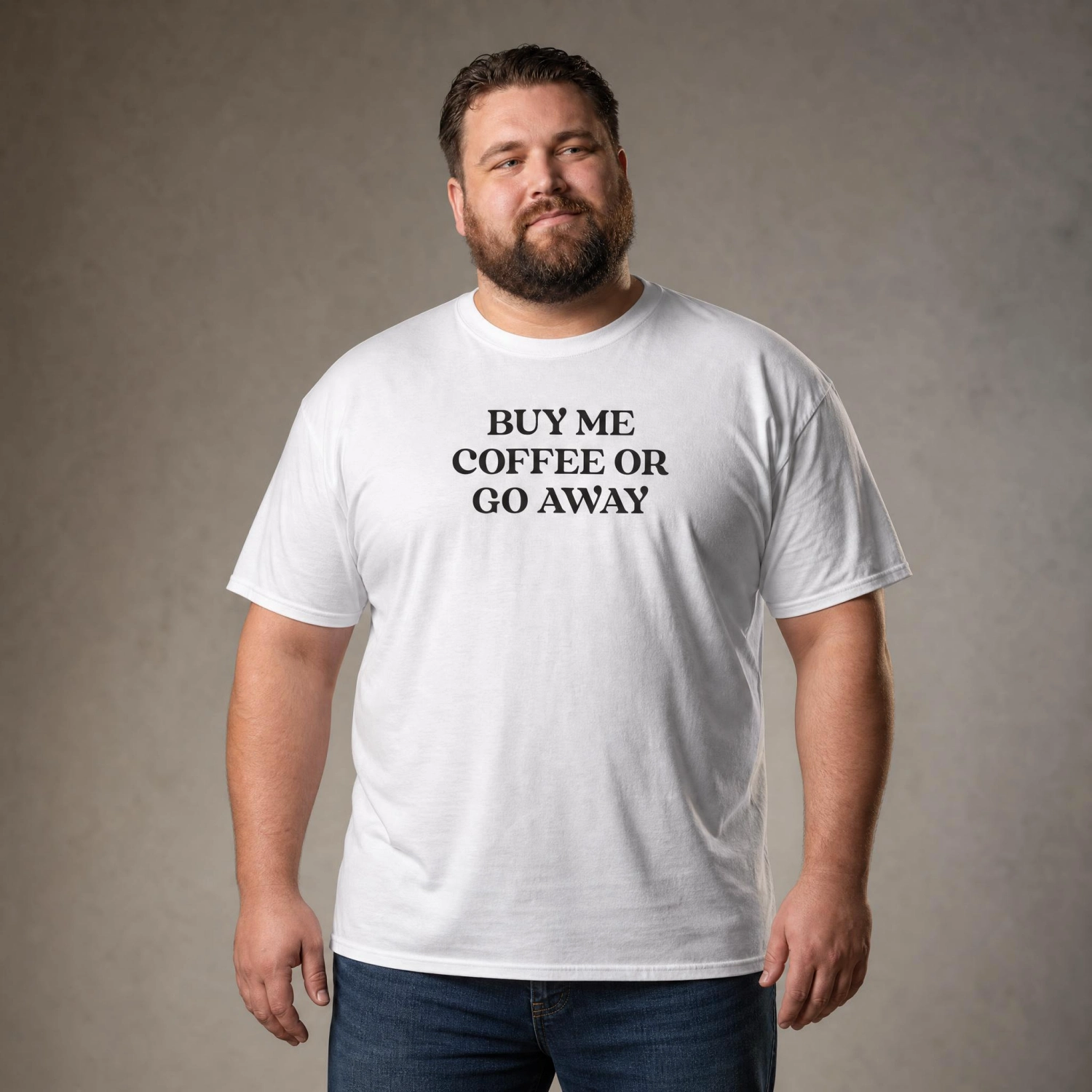
The Sleeve Problem – Big & Tall T-Shirt Sleeves That Flatter
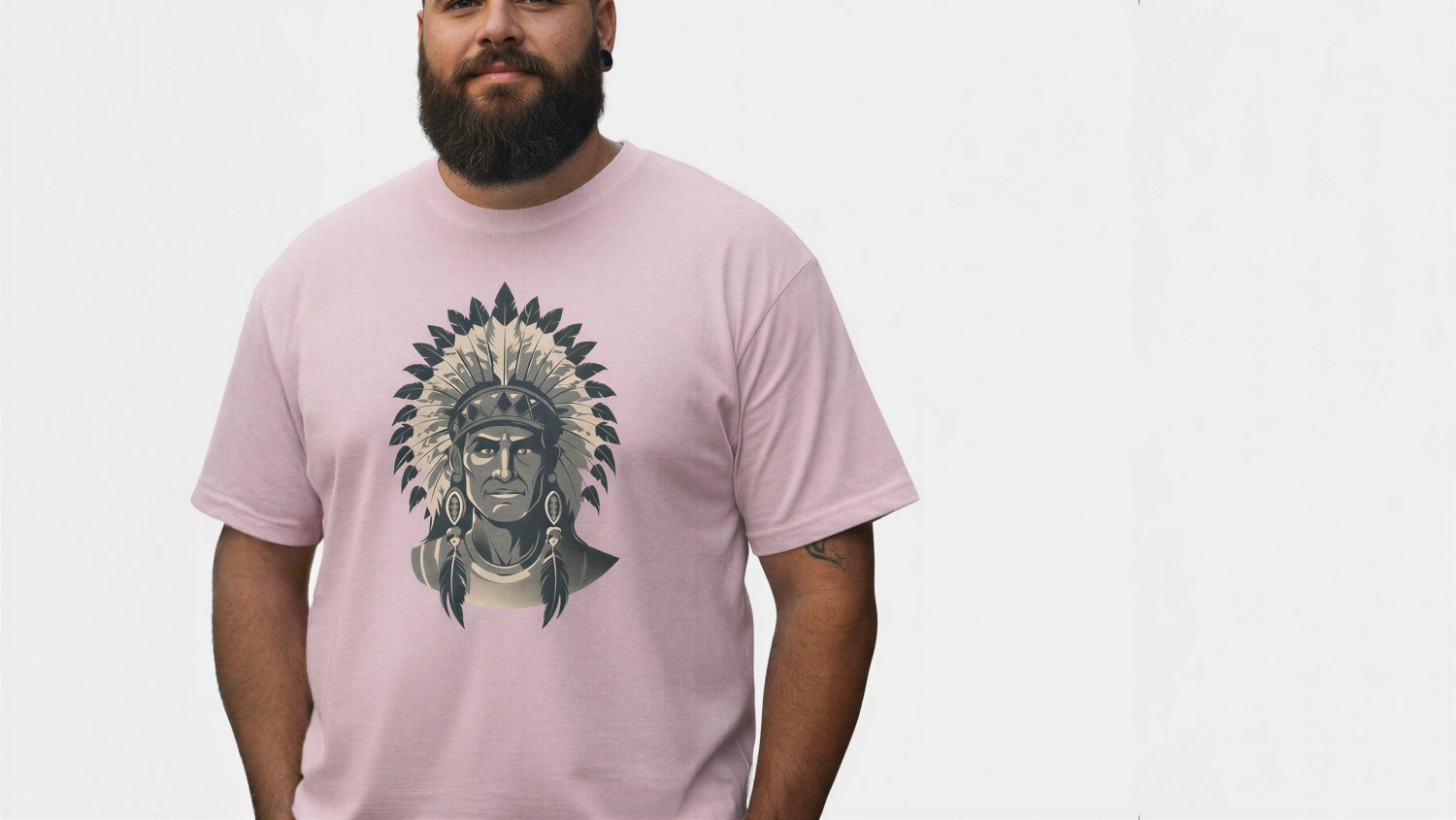
If a Big & Tall tee looks “off,” your brain usually blames the belly area. But sleeves often decide whether the entire shirt looks athletic or sloppy. Sleeves frame your upper body, control the perceived width of your torso, and affect how clean the shoulder line looks. For XL-5XL men, sleeve details are not small details – they are silhouette decisions.
This is why you can put on two shirts that are technically the same size and feel completely different about how you look. One feels sharp, balanced, and confident. The other feels like it’s not doing you any favors, even if it isn’t tight. Most men assume the difference is “fit” in a general sense, but the real difference is often sleeves.
Sleeves are basically the borders of your upper body. They define the shape from the shoulders down to the biceps. They decide whether your arms look strong or squeezed. They decide whether your torso looks wider than it is. And they influence how premium a tee looks because sloppy sleeves make even expensive fabric look cheap.
This guide breaks down sleeve length, sleeve opening, shoulder seams, and online shopping cues so you can choose big and tall t shirts that look sharper instantly. This isn’t about dressing fancy. This is about choosing shirts that make your body look balanced without you doing anything extra.
Why Sleeves Control the Whole Silhouette
Sleeves sit where people look first: shoulders, chest, and arms. That’s the zone that communicates presence. If the shoulders look clean and the sleeves sit correctly, the whole shirt looks intentional. If sleeves are wrong, your tee can look sloppy even if the rest of the fit is fine.
Here’s what sleeves do visually:
-
They frame the shoulders. The shoulder line is the “top edge” of your silhouette. Sleeves extend that line. If they droop or flare, the shoulders look softer and wider.
-
They shape the arms. Sleeves can either make your arms look strong or make them look squeezed. Tight sleeves create bulges and pull attention to the arm. Loose, flared sleeves make the arms look smaller by comparison, which can make the torso look bigger.
-
They influence torso width. A sleeve that sticks out sideways creates a wing shape. That wing shape makes your upper body look wider than it is.
-
They affect overall structure. A clean sleeve sits calmly. A sloppy sleeve wrinkles, twists, flares, or collapses. Calm sleeves make the whole tee look more premium.
So yes, belly fit matters. But sleeves often decide whether the shirt looks “athletic” or “lazy.” That’s why two XL tees can look completely different on the same man.
Sleeve Length: The Mid-Bicep Sweet Spot
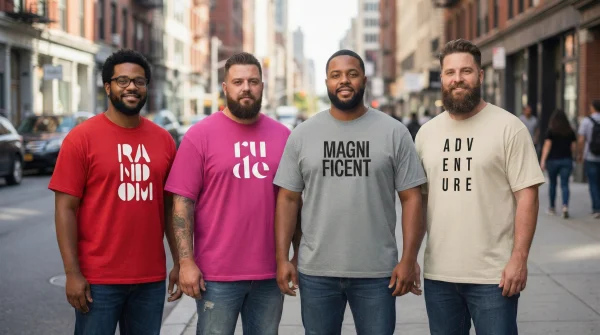
Most Big & Tall men look best with sleeves that hit around mid-bicep. Too short reads tight and awkward. Too long reads lazy and bulky. Length should look intentional with arms relaxed. If you constantly adjust sleeves, the cut is wrong even if the body fits.
Let’s be more practical.
Too short sleeves create two problems:
-
They visually cut your arm at a thicker point, making the arm look bigger and the sleeve look smaller.
-
They create the impression that you sized down, even if you didn’t.
Too long sleeves create a different set of problems:
-
They hang toward the elbow and can look like you’re wearing a borrowed shirt.
-
They add extra fabric volume that makes the whole tee look heavier and less sharp.
The sweet spot is mid-bicep because it frames the arm without squeezing it and keeps the silhouette balanced. It also creates a clean ratio between sleeve length and torso length. Big & Tall tees should still look like tees, not like a cape.
Quick mirror test:
-
Stand relaxed with arms at your sides.
-
The sleeve should end around the mid-bicep area, not near the armpit and not near the elbow.
-
The sleeve should look calm, not rolled, not tugging, not flapping.
If you put on a tee and the first thing you do is pull at the sleeves, that tee is not built right. You should not be negotiating with your clothes.
Sleeve Opening: Skim, Don’t Squeeze, Don’t Flare
The sleeve opening should skim the arm for a clean line. Squeezing creates bulges; flaring creates a wing shape. Controlled openings look more athletic and mature. Boxy fits can still have disciplined sleeves – boxy should not mean shapeless. Comfort and silhouette can coexist if the sleeve is designed correctly.
This is where most brands mess up Big & Tall tees. They think bigger sizes need “more room everywhere,” so they widen sleeve openings until the sleeves stick out. That creates the wing effect, and the wing effect makes your upper body look wider.
On the other side, some brands keep sleeve openings too tight as sizes increase, which creates squeezing and bulges. Both are bad. The goal is controlled room.
What “skim” actually means:
-
The sleeve opening has space, but it doesn’t stand away from the arm.
-
The sleeve falls naturally, following the line of the bicep without hugging it.
-
When you move your arms, the sleeve doesn’t pull the whole shirt upward.
This is also why heavier fabric often works better for Big & Tall tees. Heavier cotton tends to sit cleaner and keep the sleeve shape more stable. Thin fabric can cling to the arm and distort the sleeve opening, making it look messy even if the measurements are technically correct.
A disciplined sleeve opening makes you look more athletic without you doing anything. It’s one of the fastest visual upgrades possible.
Shoulder Seam and Armhole Mechanics
Sleeves don’t exist on their own. They’re connected to the shoulder seam and the armhole. If the mechanics are wrong, the sleeve will never sit cleanly.
Shoulder seams set the sleeve angle and length appearance. Dropped shoulders can look sloppy and widen the torso. Tight shoulders restrict movement and twist sleeves. Armholes that are too low add bulk; too high can restrict. Good patterns balance mobility with clean drape.
Here’s how it plays out in real life:
Dropped shoulders
When the shoulder seam sits too far down your upper arm, the sleeve can look longer, but also sloppier. The entire shirt can look like it’s sagging. Dropped shoulders can work in fashion streetwear when intentional, but most Big & Tall tees do it by accident, and accidental dropped shoulders look like poor fit.
Tight shoulders
When shoulders are too narrow, the sleeve pulls and twists. You’ll feel it when you reach forward or lift your arms. The tee might still “fit” the belly, but it will look tense in the upper body, and the sleeve will wrinkle and distort.
Armhole height
Armholes that are too low create extra fabric volume under the armpit and make the upper body look bulky. Armholes that are too high without proper shaping can restrict movement. The best tees balance comfort with a clean upper-body line.
If you’ve ever worn a tee that rides up every time you move your arms, that’s often an armhole and shoulder seam issue, not a “length” issue. The sleeve mechanics are pulling the body upward.
This is why brands that truly design for XL-5XL matter. Pattern grading is not just adding inches. It’s making sure the mechanics still work as size increases.
Shopping Online: Sleeve Clues in Photos
Shopping online is where sleeve problems hide. Many product pages are designed to sell you the 5XL graphic tee or the color, not to help you judge fit. So you need to become a better observer.
Zoom in on where the sleeve ends and how wide it hangs. Check shoulder seam placement in product photos. Look for tees that hold shape at the shoulder instead of collapsing. Avoid pages that hide sleeves with cropped photos.
Here’s a simple online sleeve checklist:
-
Do you see the full sleeve? If not, skip.
-
Where does the sleeve end? Mid-bicep is usually ideal.
-
Does the sleeve hang close to the arm or flare outward? Flare adds width.
-
Where is the shoulder seam? If it’s halfway down the arm, the tee will likely look slouchy.
-
Does the shoulder area look structured or limp? Limp shoulders usually mean limp sleeves.
Also watch for posed photos where the model’s arms are lifted or bent in ways that hide sleeve shape. You want at least one neutral stance photo to judge sleeves correctly.
MiniGigante designs sleeves for XL-5XL so tees look confident, not accidental. That means sleeves are not treated like an afterthought. They’re treated like what they are: a major silhouette feature.
Sleeves are one of the fastest upgrades you can make without changing your style. Choose sleeve length and opening that frame your arms cleanly, and make sure the shoulders and armholes are built for movement. When sleeves sit right, your whole upper body looks more balanced.
Use these rules when shopping, and you will stop guessing. A sleeve that sits right is usually a cut that was made for XL-5XL, not a slim tee blown up.
How to pick your size
Sleeves only look right if the body is the right size too. Lay a shirt that already fits you flat. Measure length and chest width. Match the closest numbers. A is length, shoulder to hem. B is chest width, armpit to armpit.
| Size | Length (A) | Chest width (B) |
|---|---|---|
| XL | 31 in | 24 in |
| 2XL | 32 in | 26 in |
| 3XL | 33 in | 28 in |
| 4XL | 33.9 in | 29.9 in |
| 5XL | 35 in | 31.9 in |
Full hoodie numbers and the cm tables are on the size chart.
Quick questions
Where should the sleeve hit?
Around mid-bicep, with your arms relaxed. Too short looks tight. Too long looks like you borrowed the shirt. The opening should skim the arm, not squeeze it and not flare out like a wing.
Do you make regular sizes?
No. MiniGigante starts at XL and goes to 5XL. Tees print on Gildan 5000. Hoodies print on Gildan 18500. Every graphic is original.
What if it does not fit?
We offer free worldwide shipping. Returns within 30 days. Read Shipping & Returns if you want the fine print.
Want sleeves that sit like they belong there?
That is the whole point of a boxy XL-5XL cut. Comfortable, flattering, and actually fun to put on. Uriya built the brand because he is a big guy who was tired of sleeves that balloon. Short version on My Story.
Shop 5XL graphic tees. Want a one-liner instead of a drawing? See funny t-shirts for big guys. Measure first on the size chart if you like.