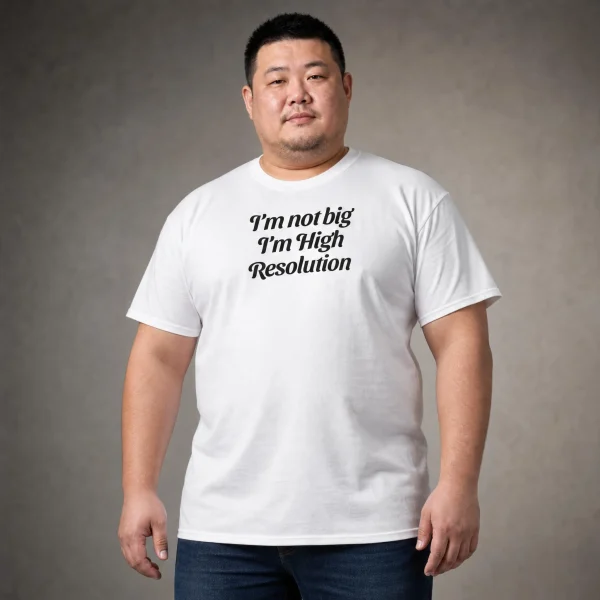
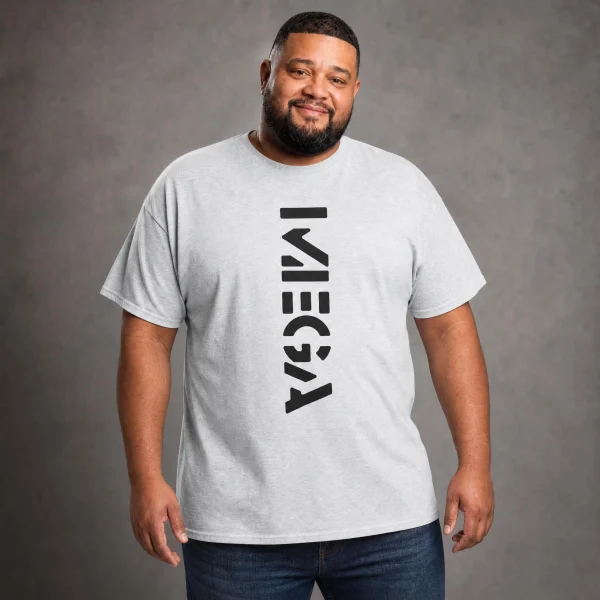
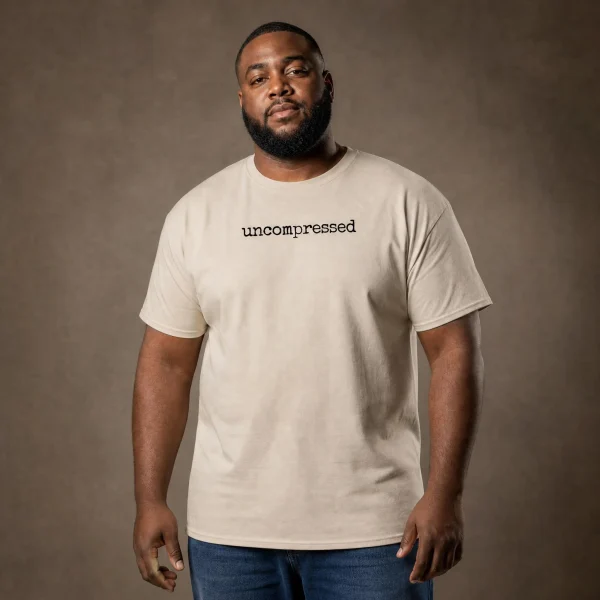
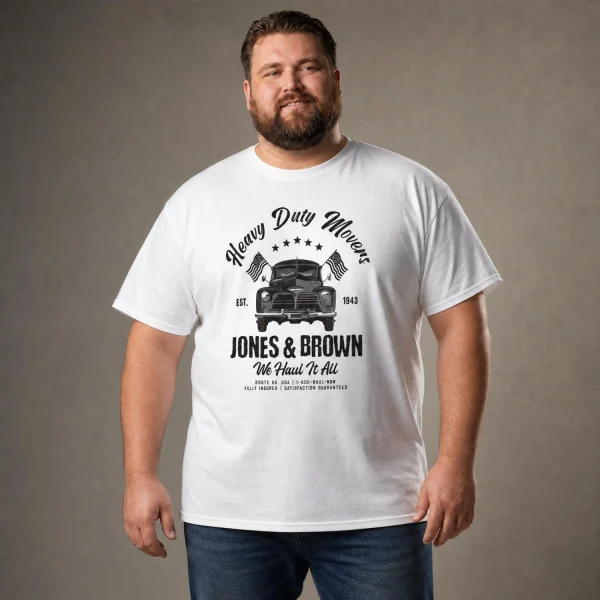
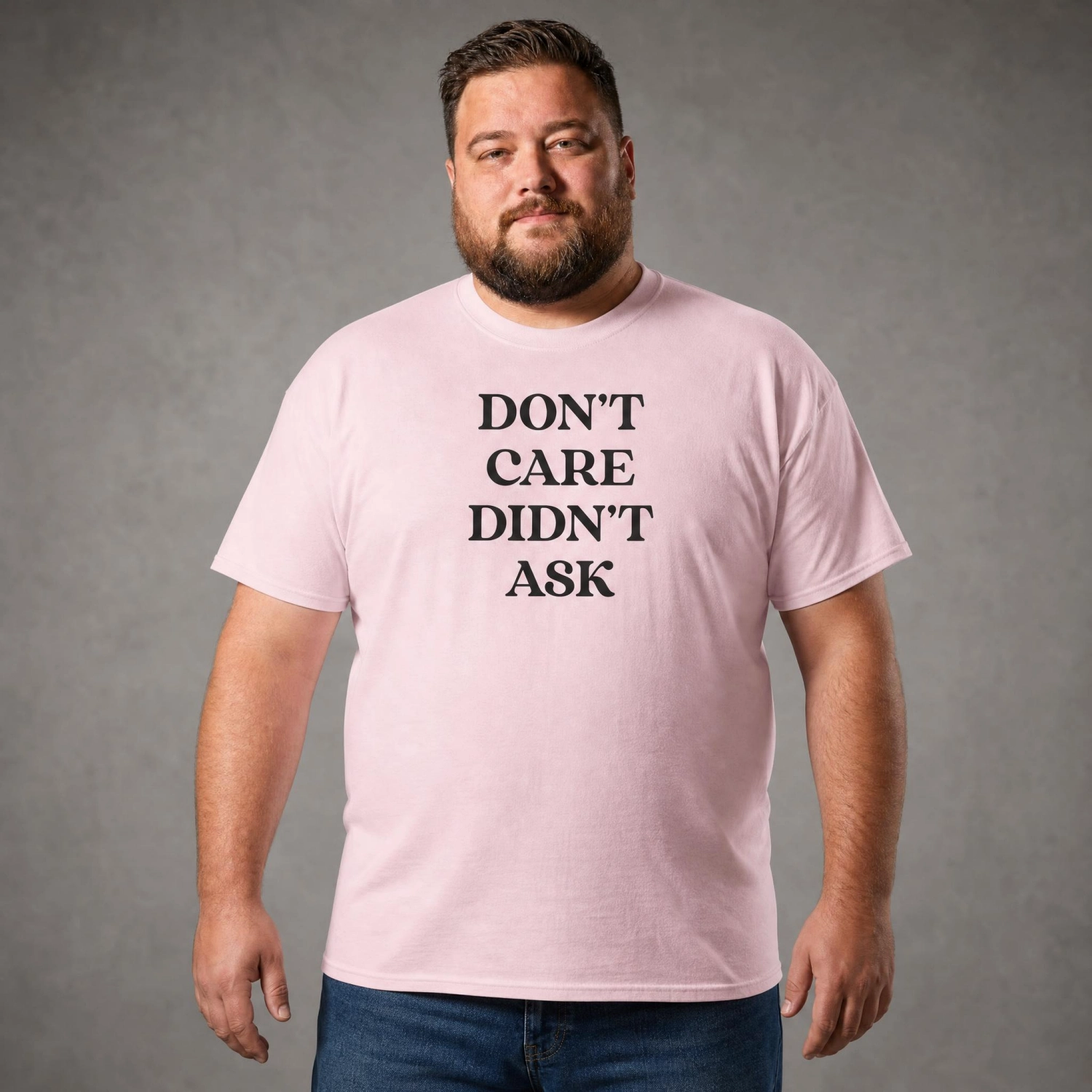
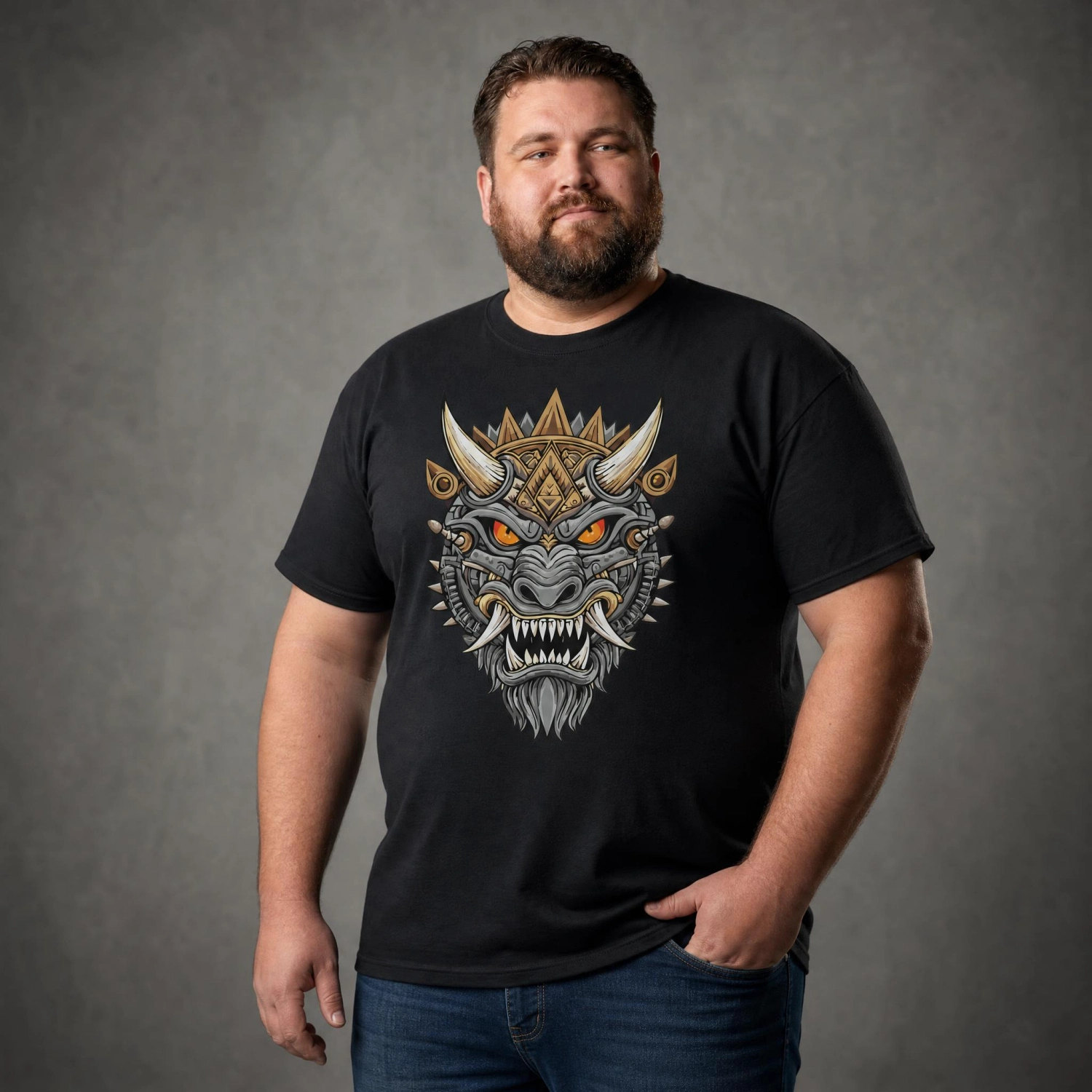
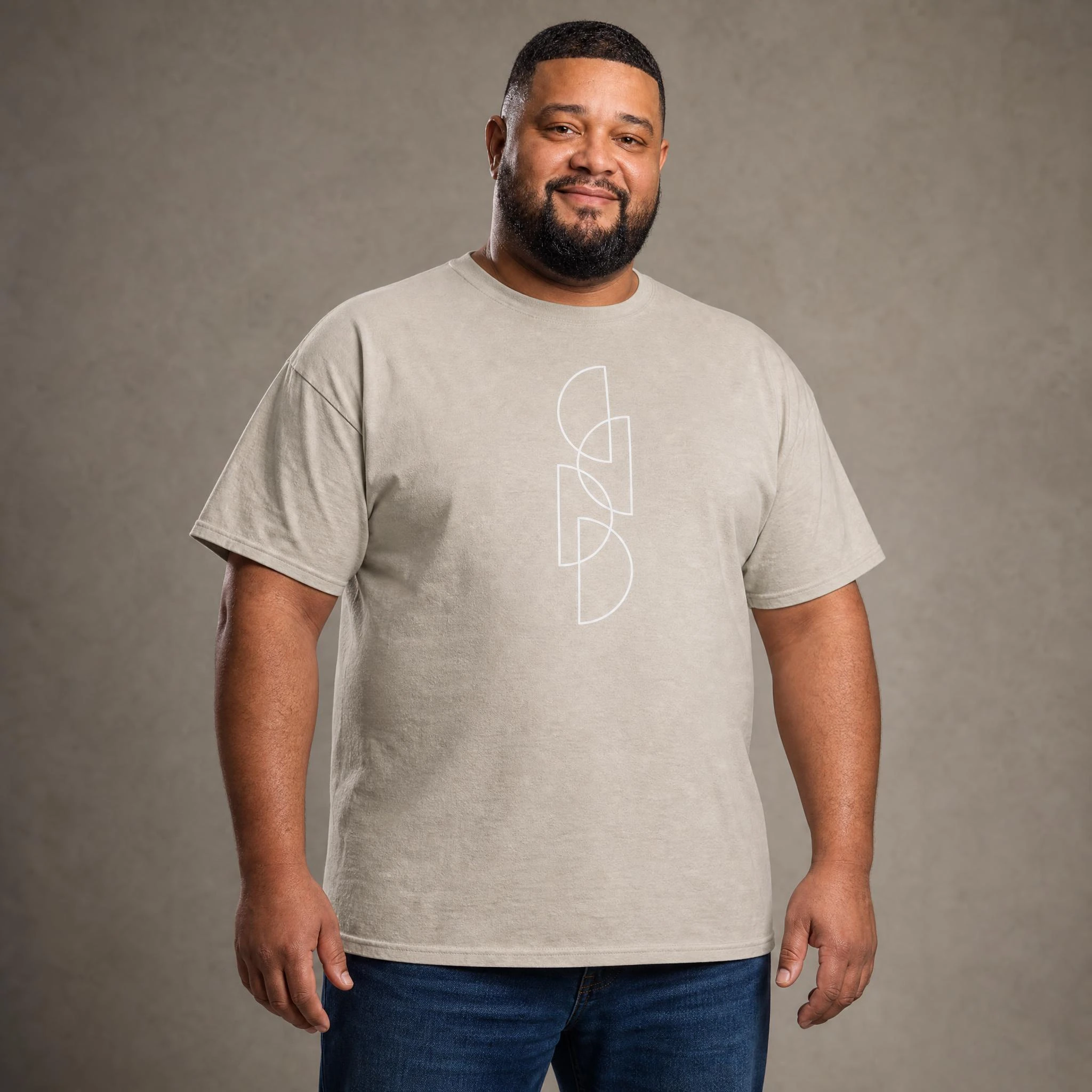
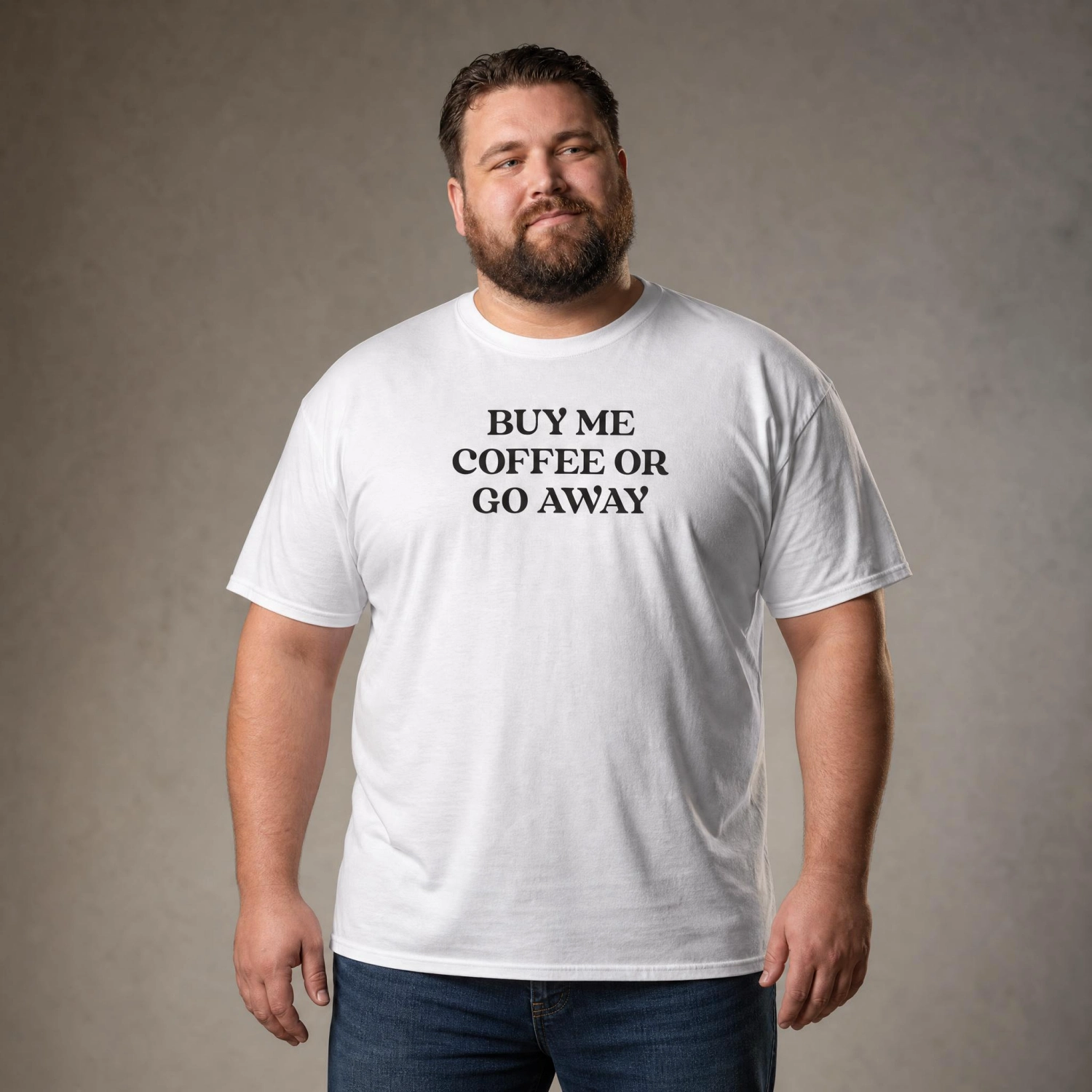
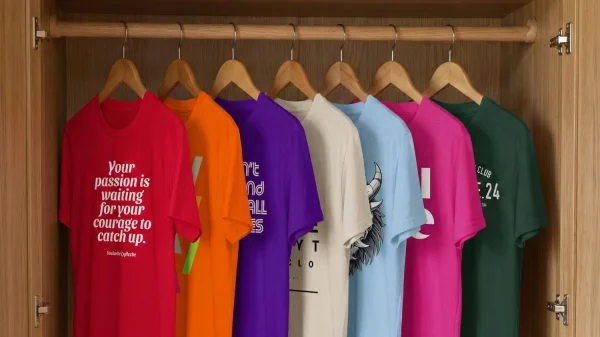
Heavyweight vs Lightweight Tees – The Quick Big & Tall Test
Lightweight tees promise comfort, but for many XL-5XL men they deliver cling, transparency, and collars that collapse. That’s why the phrase “heavyweight cotton t shirt mens” is so popular – heavier fabric often looks more structured and feels more reliable.
This isn’t a fashion debate. It’s a performance debate. Fabric isn’t just “how it feels” – fabric is how a shirt behaves on your body. It decides whether a tee drapes cleanly or clings. Whether a collar stays sharp or turns into a sad wave. Whether a graphic looks crisp or warped. Whether the shirt still looks good after five washes, or looks like a gym undershirt after two.
This article gives you quick tests to judge fabric, explains what heavyweight actually does for your silhouette, and shows you when lightweight can still work. The goal is not to worship heavy fabric. The goal is to choose fabric that performs well on your body.
At MiniGigante, we care about fabric behavior because in XL-5XL, fabric behavior is the difference between “this fits” and “this looks good.”
Why Lightweight Tees Cling and Collapse
Thin fabric follows every contour and highlights areas you may prefer to de-emphasize. That’s not you being “picky.” That’s physics. Lightweight fabric has less structure, which means it doesn’t resist gravity and movement the way heavier fabric does.
Here’s what lightweight tees often do on bigger frames:
-
They cling in the wrong places. Thin cotton or thin blends tend to grab onto the belly and chest instead of skimming. That cling makes the shirt feel tighter than it is and makes the silhouette look less clean.
-
They stretch at stress points like collars and shoulders. Bigger bodies put more natural tension on seams simply because there’s more fabric mass and more movement. Lightweight fabric plus weak construction equals fast collar collapse.
-
They can become semi-transparent in sunlight. This is especially true with white, light gray, and light pastel tees. The shirt may look fine indoors and then feel awkward outside.
-
They lose shape faster after washing. Lightweight tees can twist, shrink unevenly, and warp at the neckline. Once that happens, the tee looks cheap no matter how clean it is.
On bigger frames, fabric behavior matters more because structure is what keeps the look clean. In smaller sizes, a thin tee can still look “fine” because the fabric isn’t under as much tension and the silhouette stays relatively stable. In XL-5XL, stability matters.
If you’ve ever had a tee that looked great the first time you wore it and then became a limp rag, that’s usually lightweight fabric combined with average construction.
What Heavyweight Cotton Does Better
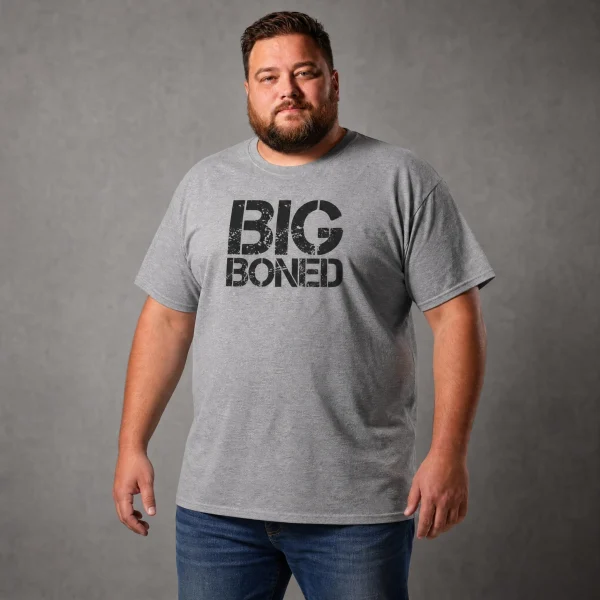
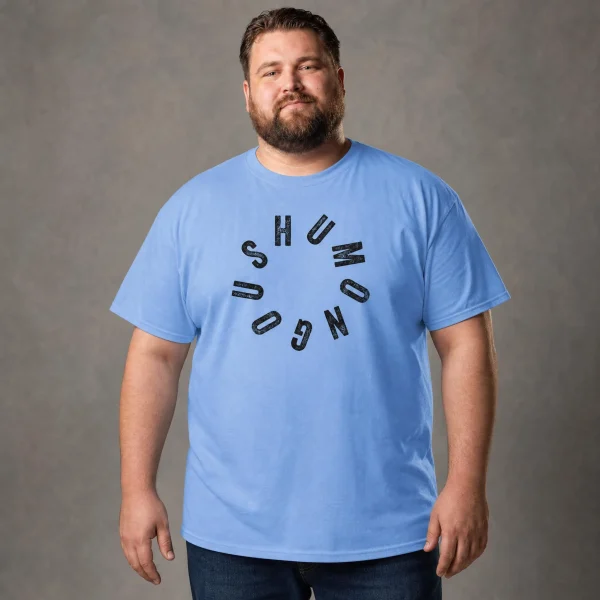
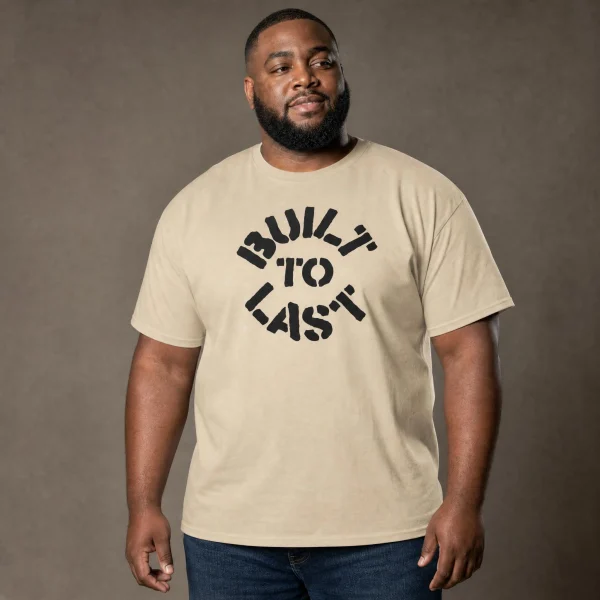
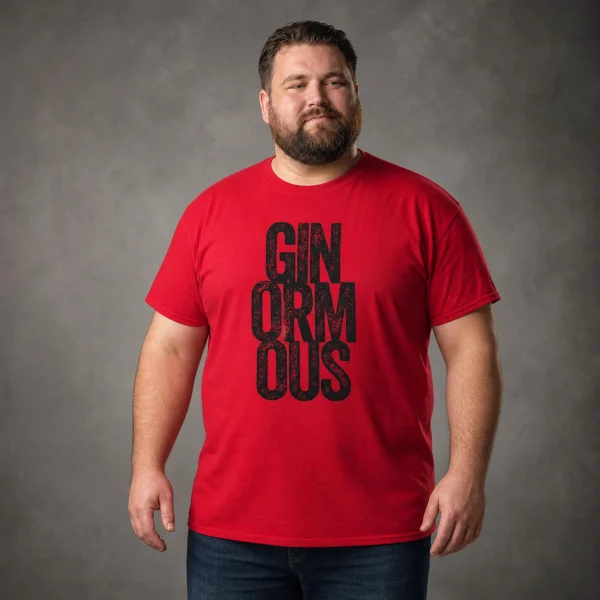
Heavier cotton drapes away from the body more naturally. It holds shoulder lines and collars more consistently. It keeps graphics flatter and more readable. It is usually more durable and resists warping. A structured tee looks more premium with less effort.
Heavyweight cotton is not magic, but it has real advantages:
-
Better drape. Heavier fabric tends to fall from the shoulders instead of sticking to the belly. That makes the torso line look calmer and more intentional.
-
More stable neckline. A heavier body fabric supports the collar area. Even if the collar construction is only decent, heavyweight fabric often helps it hold up longer. If the collar construction is good, it holds up even better.
-
Cleaner shoulder shape. Heavyweight tees often maintain a sharper shoulder line, which is one of the easiest ways to look more put together in a basic outfit.
-
Better print performance. Graphics stay flatter. Typography stays readable. You don’t get as much warping from fabric stretching.
-
Durability. Heavyweight cotton generally handles washing and wear better. It resists the “twist” and “collapse” issues that lightweight tees get faster.
The result is simple: heavyweight tees often look more premium with less effort. You can wear a plain heavyweight tee and look “done” without adding layers or accessories. That’s why so many Big & Tall men become loyal to a specific heavyweight tee once they find it.
MiniGigante leans into this because the whole point of a Big & Tall brand should be predictability. You want a tee that looks good on day one and still looks good after repeated wear.
The Fast Tests: Store and Online
You don’t need to be a fabric expert. You just need a few fast tests.
In-store: do the hold test
Hang the tee by the shoulder seam and see if it keeps a firm line. A structured tee will fall with a clean drape and look “stable.” A weak tee collapses like a towel. You’re not judging softness. You’re judging how well the fabric holds shape.
In-store: do the stretch-and-return test
Gently stretch a small area (not aggressively) and release. A good cotton tee should rebound. A cheap fabric may feel overly elastic, stay stretched, or feel thin and unstable. You want fabric that returns to shape and doesn’t feel flimsy.
Online: look for cues like heavyweight, heavy cotton, durable collar, reinforced seams
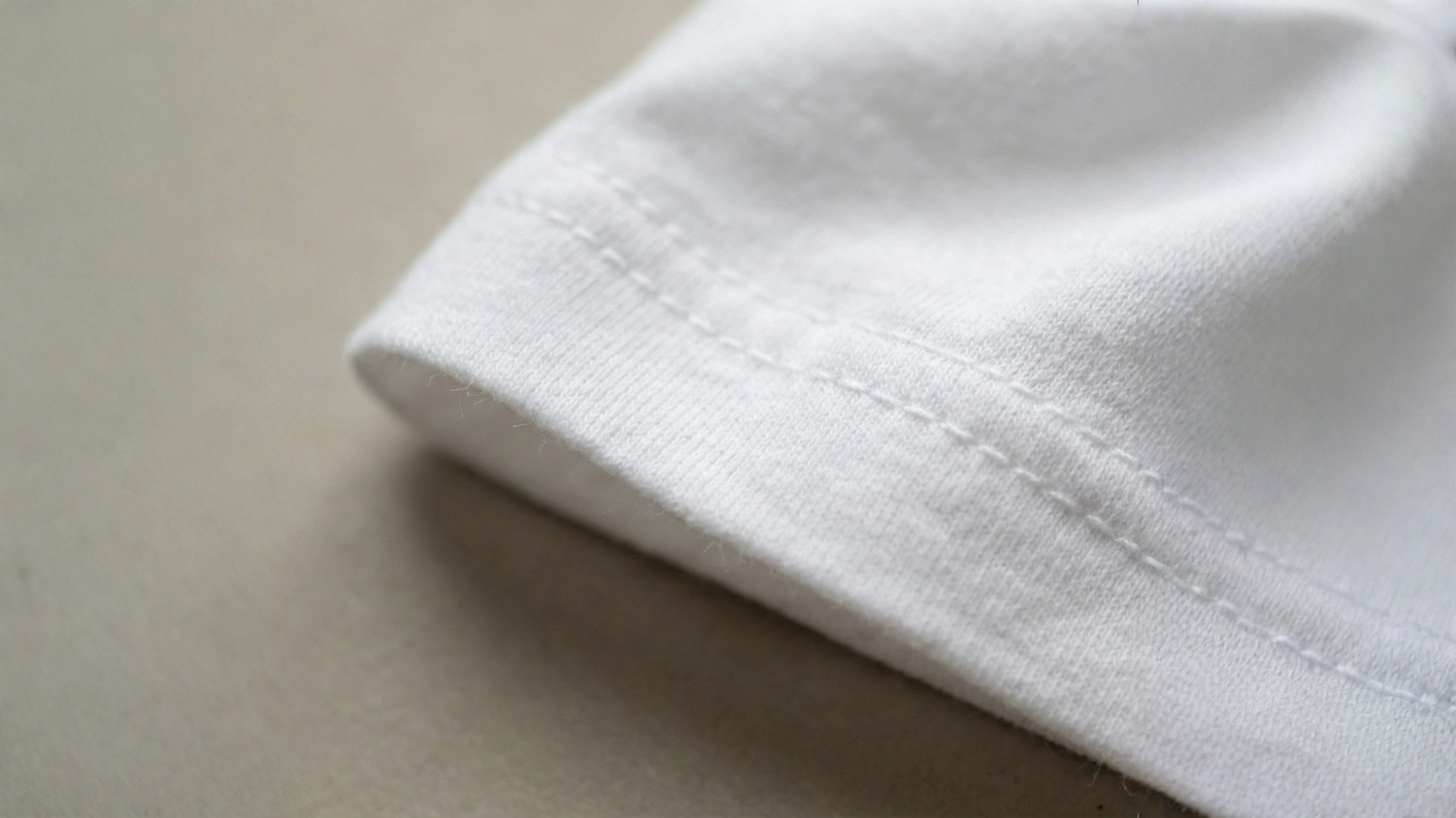
Product pages often hide behind vague language like “soft” and “comfortable.” That’s meaningless. Look for actual construction cues: heavy cotton, heavyweight, double stitching, reinforced collar, taped shoulder seams, durable construction.
Online: use photos to judge collar stability and shoulder structure
A tee that looks limp on the model usually means limp on you. Look at the collar. Is it holding a clean circle, or is it wavy? Look at the shoulders. Do they look structured, or droopy? Look at the sleeves. Are they clean, or do they flap and collapse?
Trust what you see. Photos often reveal fabric behavior even when text doesn’t.
When Lightweight Can Work (and How to Choose It)
Lightweight is not always bad. In extreme heat, lighter fabric can feel better. If you sweat easily or you live in hot climates, you may need lighter options sometimes. The key is choosing lightweight that still behaves well.
If you go light, prioritize cut and collar construction so the tee still looks intentional.
Here are the rules for choosing lightweight without looking sloppy:
-
Avoid ultra-thin blends that cling and stretch. Some blends feel soft but cling aggressively and lose shape fast.
-
Choose a clean cut. Lightweight tees need a cut that skims the body instead of hugging it. A “tight” cut in lightweight fabric is a guaranteed cling situation.
-
Look for stronger collars. Collar construction becomes even more important when the body fabric is lighter.
-
Choose colors and designs that reduce transparency risk. Darker colors and bolder graphics can help lightweight tees feel more intentional. Light colors in thin fabric are the most likely to go transparent.
-
Lightweight should still drape. Comfort is not worth looking sloppy. If the fabric sticks to the body, it defeats the purpose.
Think of lightweight tees as “purpose-driven.” They’re for heat, for lounging, for specific situations. Heavyweight tees are often the “default” because they hold shape better.
Build a Rotation You Trust
Once you find a fabric and cut that work, repeat it in multiple colors. A small, consistent rotation beats a drawer of random disappointments.
This is the part that actually changes your life: consistency. Most Big & Tall men waste money because they keep experimenting. They buy one tee from one brand, another from another brand, and they end up with a drawer full of “almost good” shirts. That creates decision fatigue and frustration.
Instead:
-
Find one heavyweight tee that looks great on you.
-
Buy it in a few colors you actually wear.
-
Stop gambling.
Use keywords like heavyweight cotton t shirt mens and big and tall t shirts when shopping to stay in the right category. Choose tees that survive washing without losing shape. MiniGigante focuses on structure and durability so tees keep looking good, not just feeling soft.
The best fabric choice is the one that looks good on your body and holds up over time. Lightweight tees often fail Big & Tall men because they cling and collapse. Heavyweight cotton usually hangs cleaner and stays presentable longer.
Use the quick tests, prioritize drape and structure, and build a rotation you can trust. That’s how you stop guessing and start dressing with confidence.