Accessorizing Large: Why Tiny Watches Fail and How to Choose the Right Gear for a Big Frame
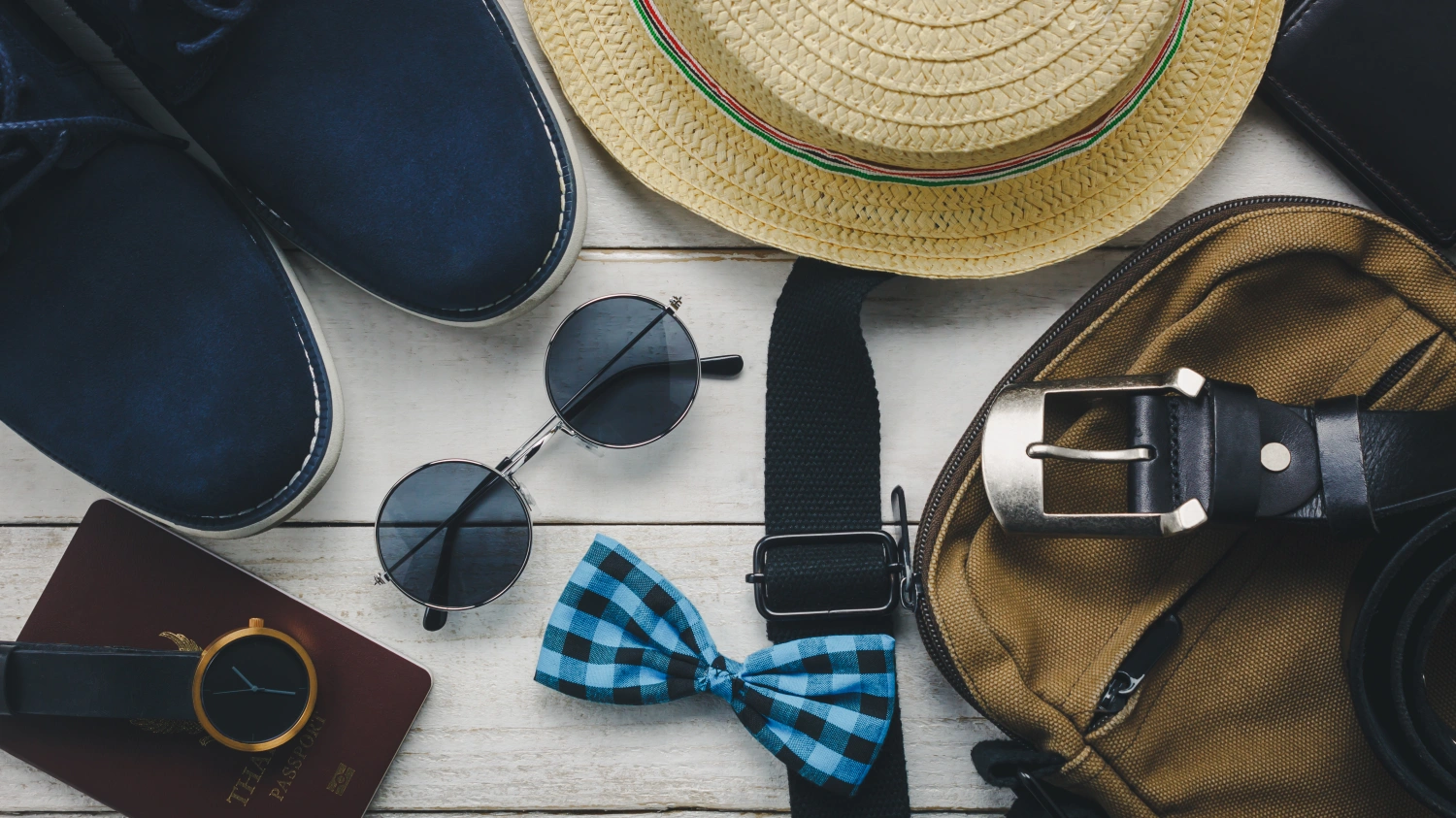
Style is not just about the shirt and pants you put on. It is about the entire package, and accessories play a huge role in defining your look. The right watch, chain, ring, hat, or bag can turn a basic outfit into something that looks intentional. The wrong one can make you look like you borrowed it from someone half your size.
For big and tall men, standard accessories often fall short. And it usually comes down to one word: proportion.
Visual balance is the difference between looking sharp and looking slightly off, even if you cannot explain why. If you have a large frame, thick wrists, and broad shoulders, delicate or tiny accessories create a contrast that works against you. The accessory looks like a toy and you end up looking larger than you really are, because the eye compares sizes and makes everything around the small item feel bigger.
To look well-dressed, your gear needs to match your physical presence.
Let us break this down and make it practical.
Proportion Is the Shortcut to Looking Well Dressed
Most style advice is built around average body types. That is why big men often feel like they are doing everything right but still not getting the result. The truth is, you can wear great clothes and still miss the mark if your accessories are too small.
Think of it like design. If you put tiny text on a huge billboard, it looks wrong. Not because the text is bad, but because the scale is off. Accessories work the same way. Your body is the billboard. Your accessories need to be readable from a distance.
This does not mean you need oversized, flashy jewelry or a cartoonishly huge watch. It means your accessories should be sized correctly for your frame, so they feel like part of you, not a random detail.
Watches: The Most Common Mistake Big Men Make
Watches are the biggest offender because most popular models are designed to fit the average wrist. A standard 38mm or 40mm watch face disappears on a large wrist. It looks dainty. It looks like a fashion watch instead of a timepiece.
As a big guy, you should be looking for watch cases that are at least 42mm, and preferably 44mm or larger. Not because bigger is always better, but because those sizes usually create the right visual weight on thicker wrists.
Here is what to pay attention to when choosing a watch.
Case size is only the beginning
People obsess over the millimeters of the watch face, but there is more to it.
-
Case diameter: 42mm to 46mm is usually a strong range for larger wrists
-
Thickness: a thicker case adds substance and looks more balanced
-
Lug-to-lug length: if the lugs hang over the edges of your wrist, it will look awkward
-
Dial design: simple, bold markers read better on a big frame than tiny, delicate details
A bigger dial with strong markers gives you presence. It makes the watch look like it belongs on your arm.
Straps matter as much as the watch
A thin strap makes a watch look weak, even if the case is large. If you want the watch to feel grounded, your strap needs to match the weight.
Better options for big frames include:
-
A wide metal link bracelet that feels substantial
-
A thick leather band that looks rugged and masculine
-
A rubber strap with structure, not a soft skinny one
-
A G-Shock style or tactical watch that can hold its own against your forearm
If you have thick wrists, you also need to think about strap length. Many standard straps will barely buckle or force you onto the last hole, which never looks great. Always check that the brand offers extended sizes or extra links if it is a bracelet.
The vibe of the watch should match your style
If you dress clean and minimal, a large classic diver watch can look sharp without being loud. If you lean streetwear, a rugged digital watch can add attitude. Either way, the watch should feel like it belongs in your outfit, not like an expensive item you are trying to show off.
The goal is balance, not attention.
Jewelry: Thin Pieces Get Lost
The same logic applies to jewelry. If you are into streetwear, you might rock a chain over a black tee. A thin, wispy chain will get lost visually. It becomes background noise.
You need a chain with a thicker gauge. It does not have to be massive, but it needs to be visible. When the chain has enough weight, it frames the neck and chest area better and sits properly on the fabric instead of disappearing into it.
Here are a few quick guidelines.
Chains
-
Skip ultra thin chains if your neck and shoulders are broad
-
Look for a medium to thick gauge that you can actually see
-
Choose a length that works with your neck and chest, not just what looks good on a model
If the chain sits too high and tight, it can make the neck look thicker and shorter. If it is too long and thin, it disappears. The sweet spot is a chain that is visible, sits naturally, and does not look like it is fighting your frame.
Rings and bracelets
Tiny rings and thin bracelets have the same problem as small watches. They look delicate and out of proportion. If you wear rings, go for styles with some presence. Not oversized costume jewelry, just something that has weight.
If you wear bracelets, choose pieces that can stand next to your watch. A thin string bracelet next to a thick wrist looks like it does not belong there. A wider leather cuff, a chunkier chain bracelet, or a structured band tends to work better.
Headwear: One Size Fits All Is a Lie
Big men learn this early. Most hats are designed for average heads. If you have a larger head, a standard cap can sit too tight, too shallow, and too flat. That makes your head look rounder, and it throws off the proportions of your whole face.
When buying caps, look for structured crowns that do not sit too flat. You want the hat to add a bit of height and frame your face properly. That small extra height can make your whole look feel more balanced.
What to look for:
-
Structured crown instead of soft and floppy
-
A deeper fit so it sits comfortably and naturally
-
Adjustable closure that actually has room, not a tiny strap that barely reaches
-
Brim width that matches your face shape and shoulders
If the hat is too small, it does not just look tight. It makes your whole head look bigger in the wrong way, because the hat becomes a reference point for scale.
Belts, Bags, and Eyewear: The Overlooked Details
Accessories are not only watches and chains. Big men can level up instantly by getting these right too.
Belts
A narrow belt on a big frame can look underpowered. A slightly wider belt with a solid buckle tends to look more balanced. Again, not giant and flashy, just proportionate.
Bags
A tiny crossbody bag can look like a child’s accessory on a broad torso. If you wear a bag, choose one that has enough size and structure to match your frame. A clean messenger, a structured sling, or a larger tote can look intentional and modern.
Sunglasses
Small frames can look awkward on a larger face. Larger or more structured frames usually balance better. The goal is for the glasses to frame your face, not sit on it like a small decoration.
Big Man, Big Gear
Here is the mindset shift that makes everything easier.
Big men do not need to shrink themselves with style. They need to own their presence.
When your accessories match your proportions, your whole look becomes cleaner. You look sharper without trying harder. Your outfit feels complete because the details make sense.
Remember the mantra: Big Man, Big Gear.
Do not be afraid to take up space with your accessories the same way you do with your presence. The point is not to look bigger. The point is to look balanced.
Want to build outfits that look intentional from head to toe? Start with the perfect tee >>