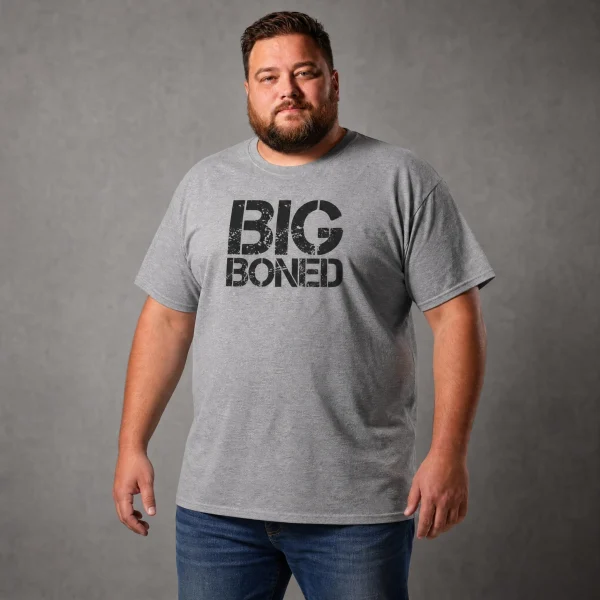
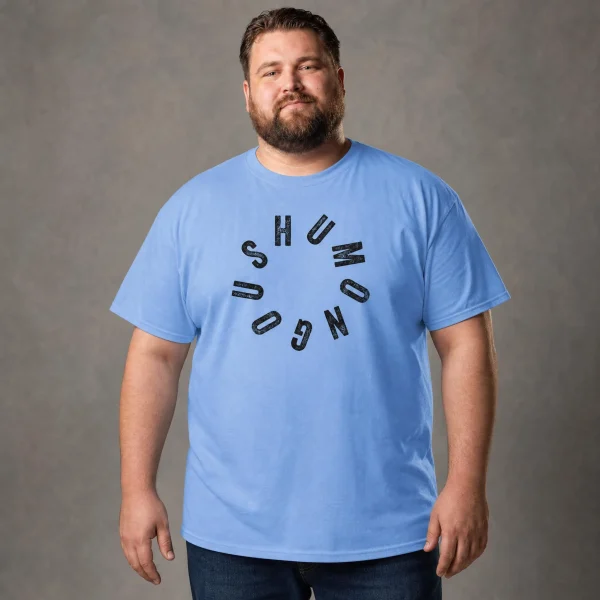
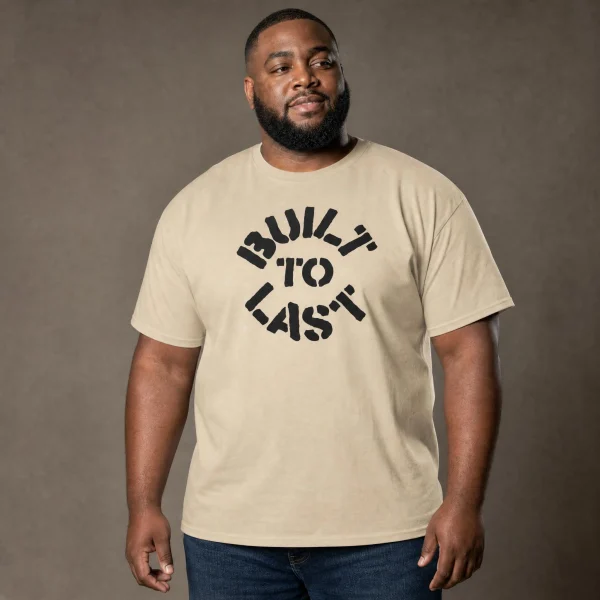
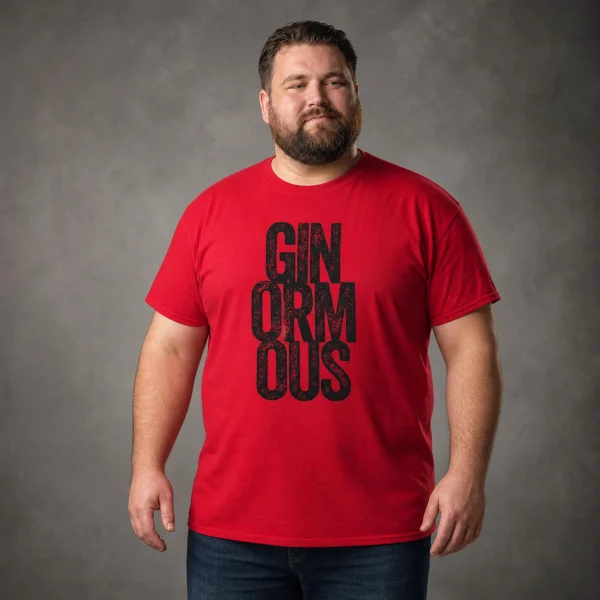
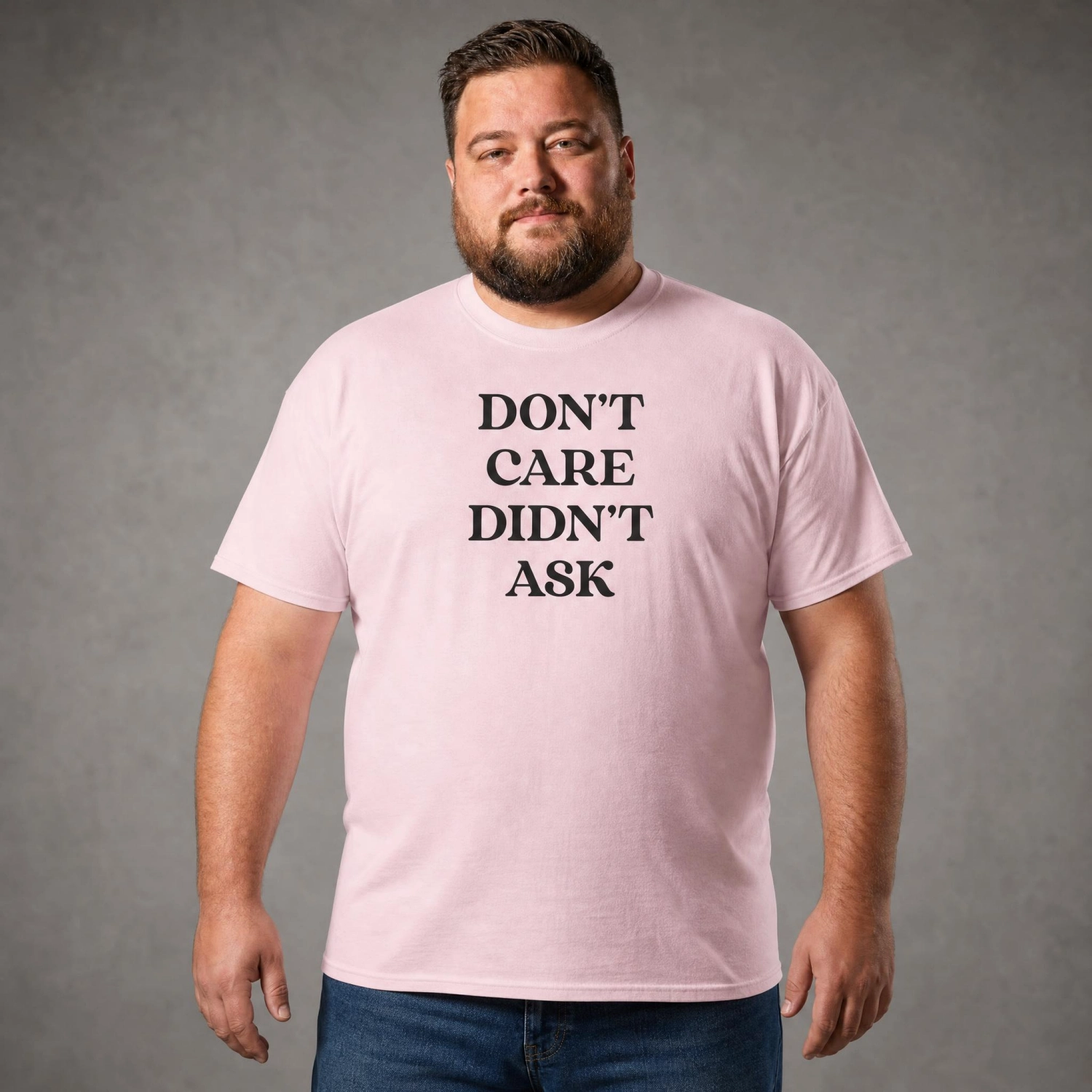
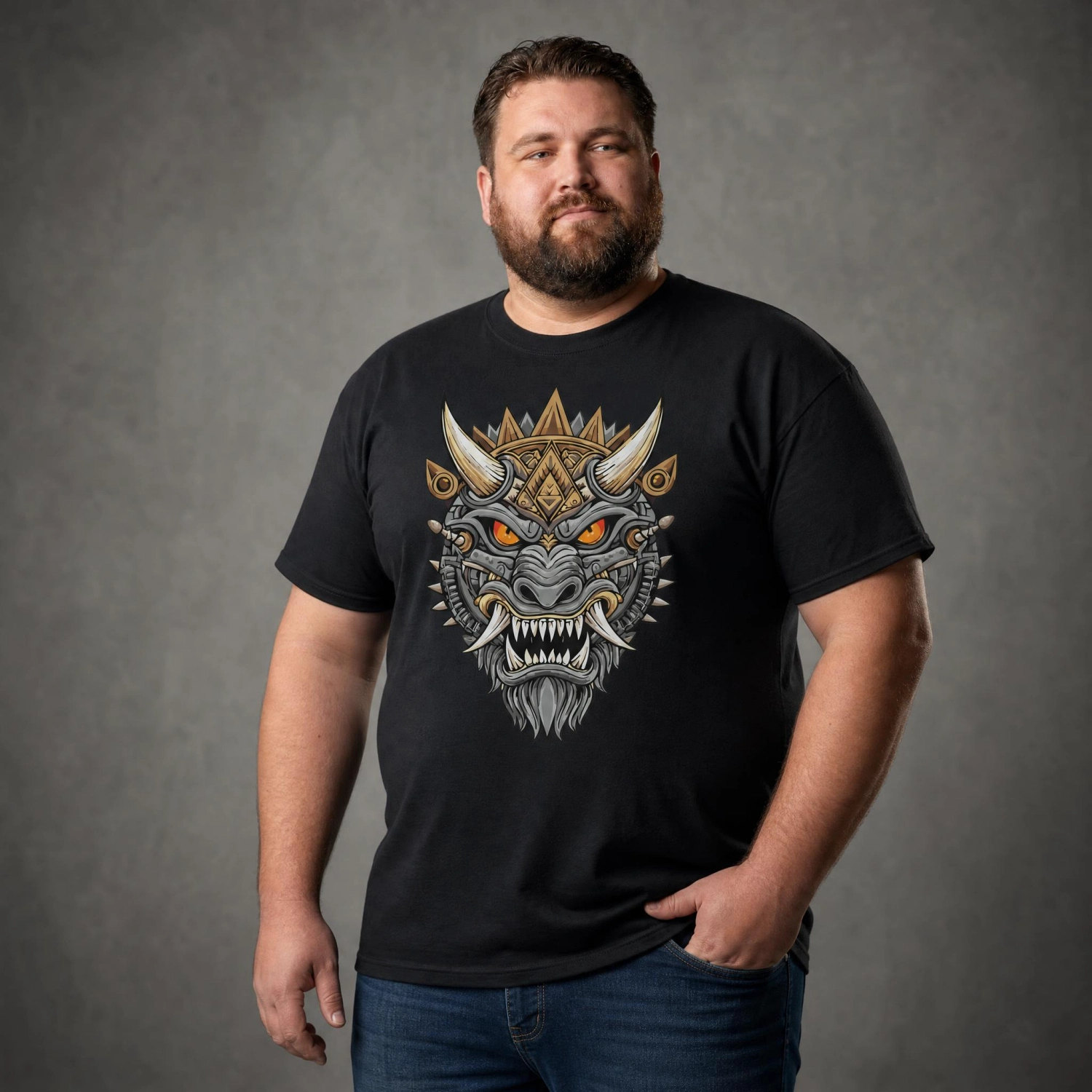
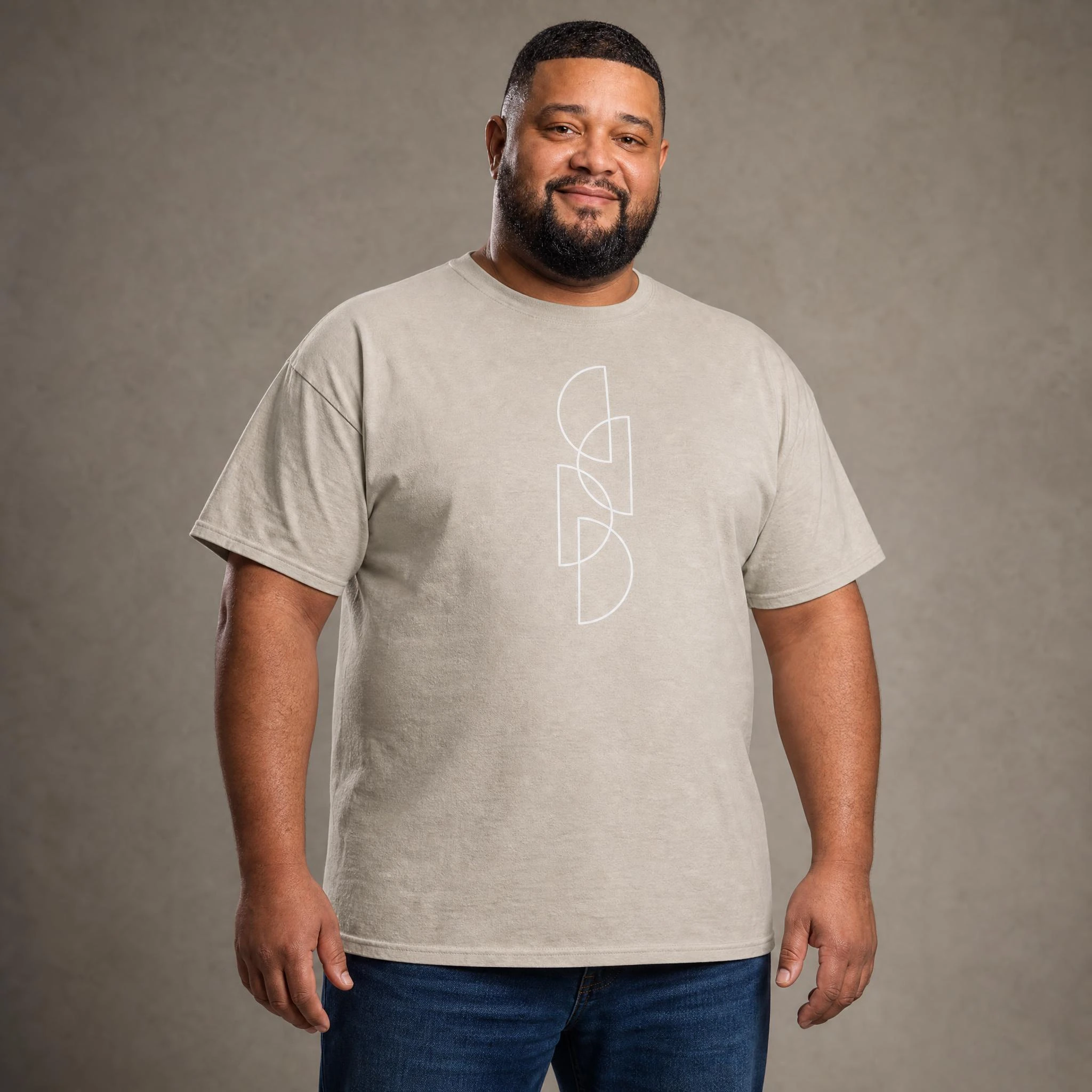
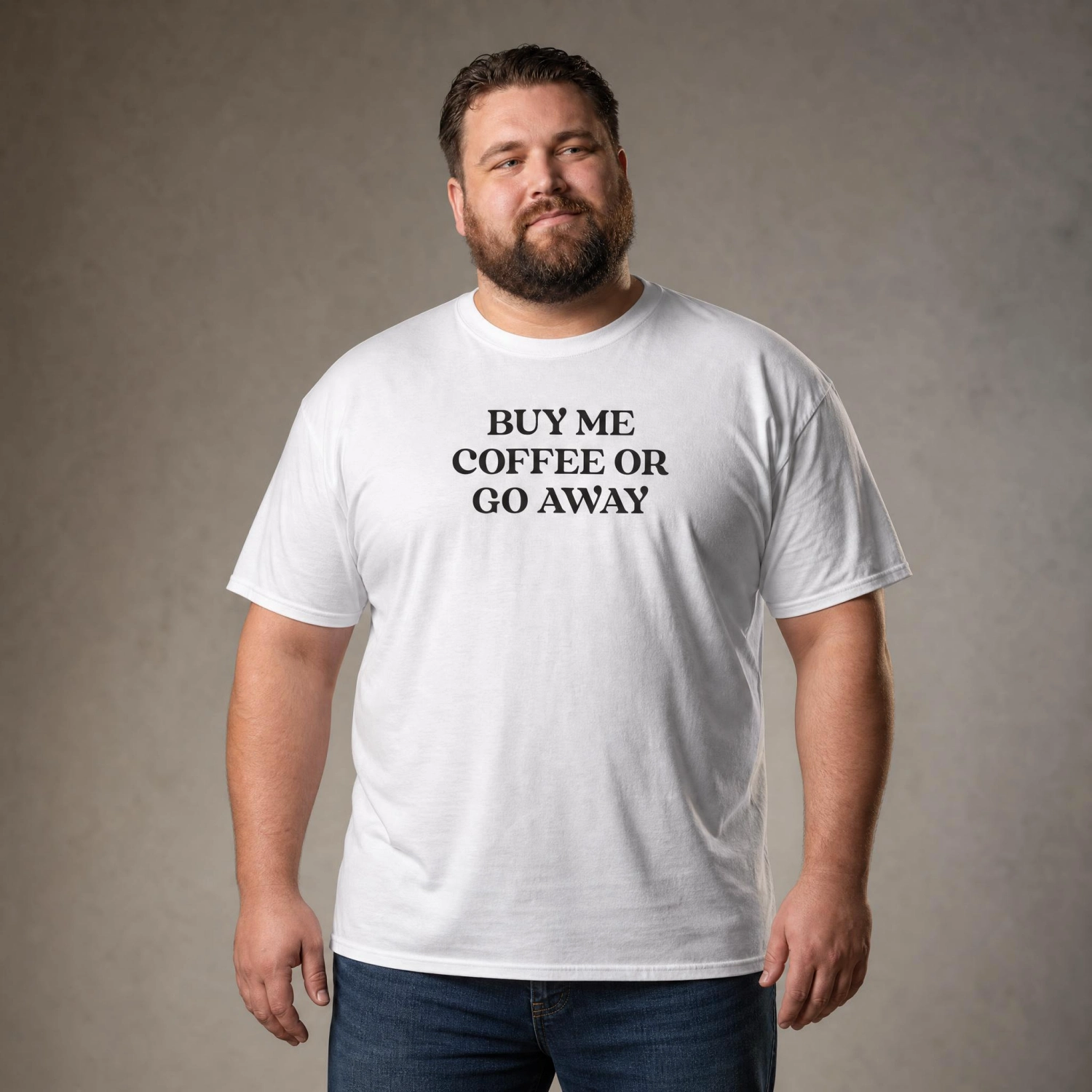
3XL vs 4XL vs 5XL – What Changes and What Shouldn’t
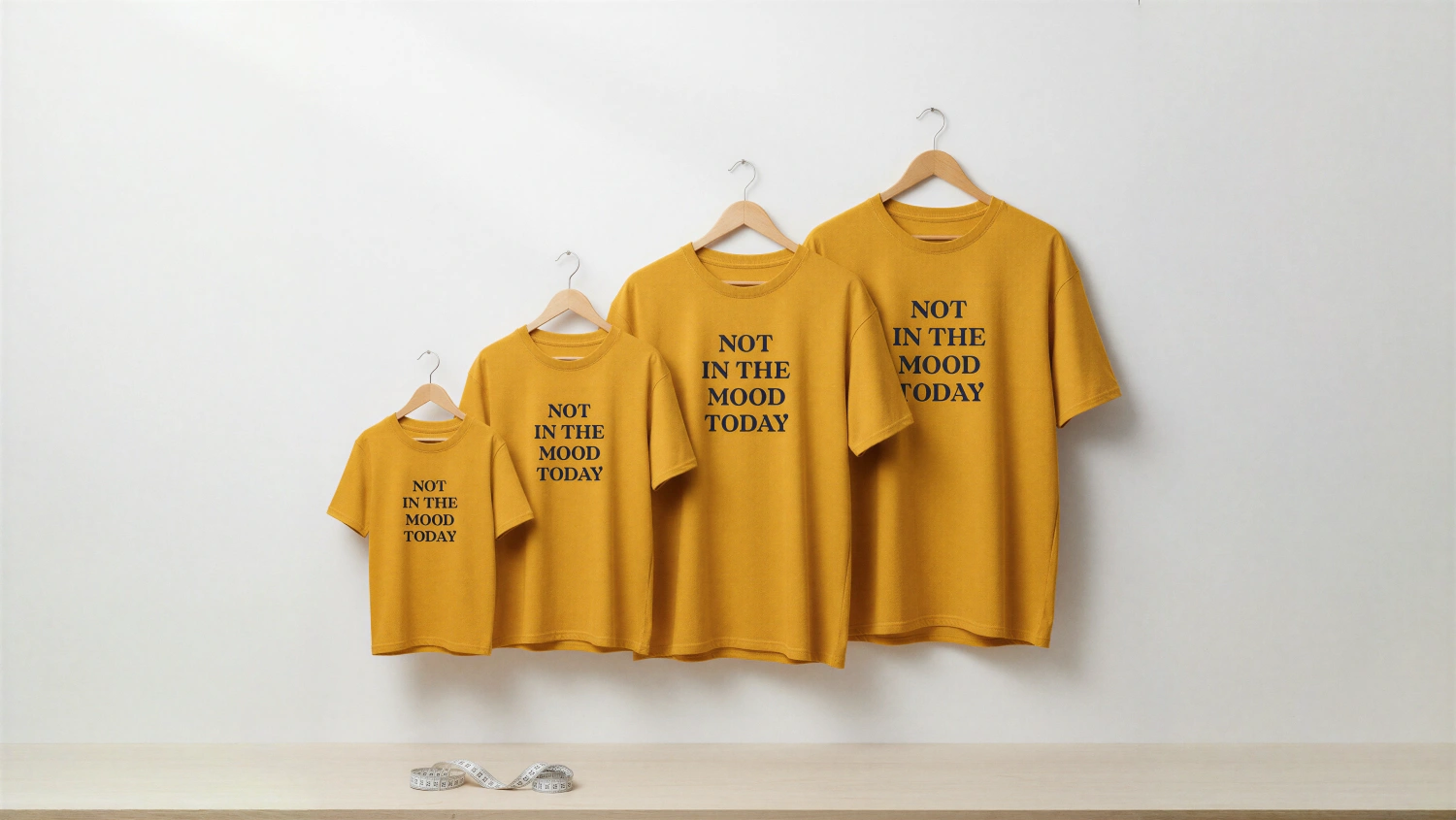
Search terms like “mens 4xl t shirts” are everywhere for one reason – 4XL is where a lot of brands lose the plot. They assume bigger sizes are just the same shirt with more fabric. The problem is that bodies don’t scale like rectangles. Proportions change. Movement changes. Stress points change. And if a brand doesn’t grade their patterns correctly, the shirt stops looking like a shirt.
This article is your cheat code for understanding what should change between 3XL, 4XL, and 5XL – and what should never change. Once you see the logic, you’ll stop blaming your body and start blaming bad pattern grading, which is the real culprit most of the time.
What Should Change as You Move from 3XL to 5XL
A properly designed size range adjusts more than just chest width. The most obvious change is body circumference, but the best brands also adjust shoulder width, sleeve opening, sleeve length, and sometimes the angle of the armhole so the shirt hangs naturally. If the shoulders don’t scale, the whole tee collapses visually – seams drop too far and your torso looks softer and wider.
Length should also increase, but only enough to maintain coverage. Bigger bodies often need a little more length to avoid ride-up, especially when sitting or raising arms. But length should stay proportional to the overall silhouette. A good 5XL shouldn’t look like a dress. It should look like the same T-shirt – just correctly scaled for a larger frame.
Finally, structural areas like collars and shoulder seams need to hold up under greater tension. Larger sizes experience more stress at the neckline and shoulders because there’s simply more fabric mass and more movement. Good grading and solid construction prevent the “sag and smile” effect that kills premium appearance.
What Should NOT Change (But Many Brands Break)
When sizing is done poorly, the garment’s identity changes. A classic fit becomes a poncho. A boxy tee becomes a tent. The goal of grading is consistency: the same visual intent at every size.
One thing that should not change is the balance between width and length. Many brands increase width faster than length at higher sizes, creating the famous tent effect. Another thing that shouldn’t change is sleeve proportion. If sleeves stay too small while the body grows, the shirt looks tight and awkward at the arms. If sleeves grow too long and wide, they add bulk and make you look larger.
Neckline shape is another big one. Some brands make collars wider in larger sizes, which changes the framing of the upper chest and often makes the shoulders look broader. A strong crew neck should remain strong and consistent across sizes. If the neckline gets sloppy as you go up, the brand isn’t building for XL-5XL – they’re just extending.
The Real World Differences You’ll Feel at 3XL, 4XL, and 5XL
3XL is often the “bridge” size where many brands still look decent. You can find shirts that fit because the pattern wasn’t pushed too far. 4XL is where flaws become obvious. A lot of men in 4XL feel like they’re stuck between options – one shirt is wide enough but too short, another is long enough but pulls at the belly, another has sleeves that feel wrong. That’s not your body being complicated. That’s inconsistent grading.
5XL is where fabric quality and construction matter even more. A thin tee that might survive at 2XL will often stretch, cling, and lose shape faster at 5XL. The shirt may still be “the right size” by measurement, but it won’t look right because it can’t hold its own weight. That’s why many men specifically search mens 5xl t shirts and complain that everything looks like sleepwear. The issue is structure, not just size.
How to Choose Your Size When You’re Between Two Options
If you’re deciding between 3XL and 4XL, or 4XL and 5XL, start with your biggest fit enemy. If the problem is ride-up and coverage, length and cut matter most, and sizing up might help – but only if the brand maintains proportions. If the problem is tightness across the belly or chest, you need more room, but you also need a cut that drapes cleanly. A tee that’s wider without structure will not look better – it will just look bigger.
Try this approach: pick the size that fits your shoulders and sleeves best, then evaluate the body. If the shoulders are right, the tee will look more intentional and you’ll avoid that slumped silhouette. If shoulders are wrong, everything else is a band-aid.
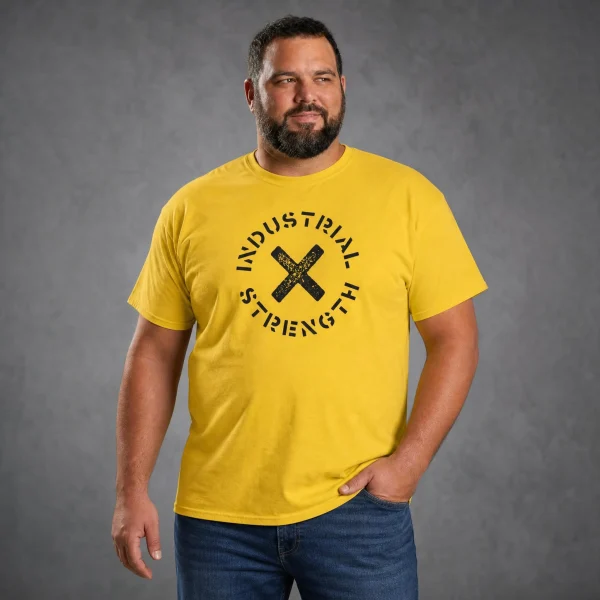
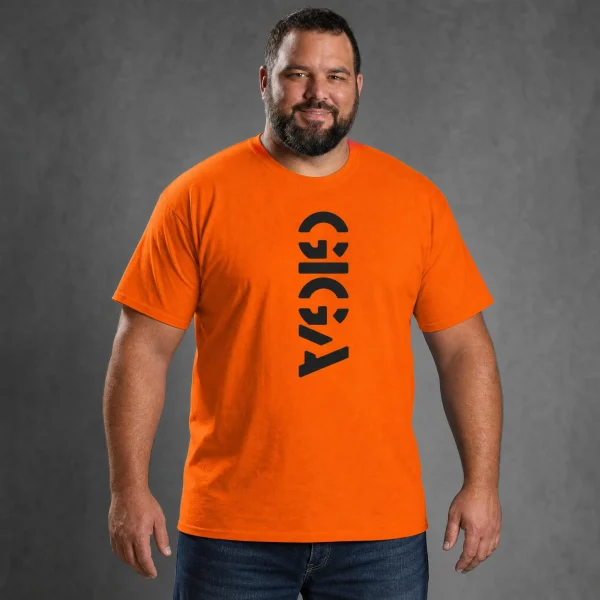
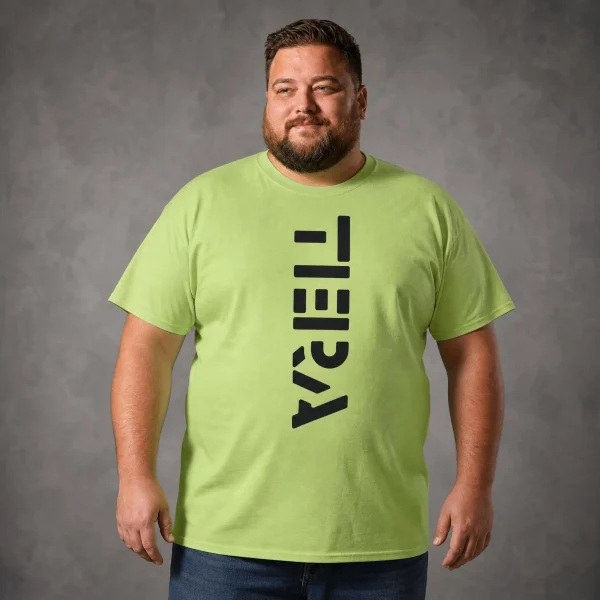
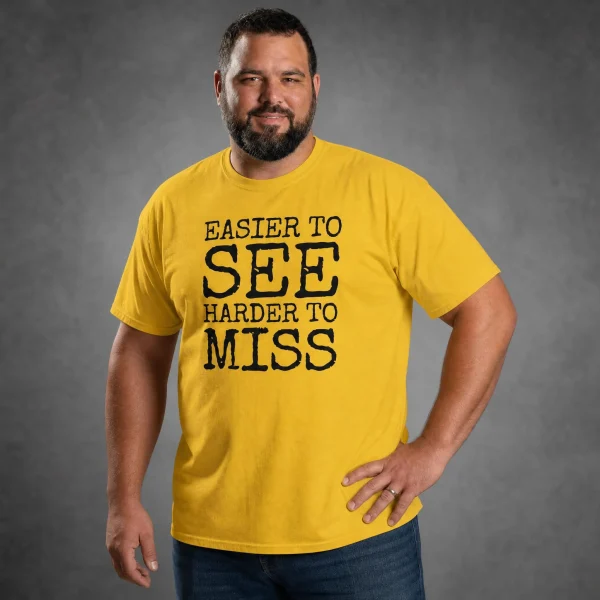
Also, look for brands that speak directly to XL-5XL and show consistent photos across those sizes. That’s a sign they’re solving the grading problem instead of ignoring it.
The MiniGigante Approach: Proportion Over Numbers
At MiniGigante, we design for bigger frames as a starting point, not an extension. That means the shirt is judged by silhouette first: shoulder line, sleeve balance, neckline stability, and clean drape through the midsection. The number on the label matters, but it’s not the solution by itself.
If you remember one rule, make it this: a good 4XL is not a 3XL with more fabric. A good 5XL is not a 4XL with more fabric. The right shirt is a proportion problem solved.
So yes – search mens 4xl t shirts, compare options, and check size charts. But when you land on a product page, evaluate the design like a grown man: Does it hold shape? Does it look intentional? Does it fit your shoulders? If the answer is yes, the label finally means something.
The difference between 3XL, 4XL, and 5XL is not just “more.” It’s more stress on construction, more importance on proportion, and more reason to choose brands that grade correctly. When sizes are built intelligently, you stop adjusting your shirt all day and start forgetting about it – which is exactly how clothing should feel.
If you want XL-5XL pieces that are designed, not stretched, MiniGigante is built for that mission.